Authentic Dutch Griddle Cakes with Sweet and Savory Toppings
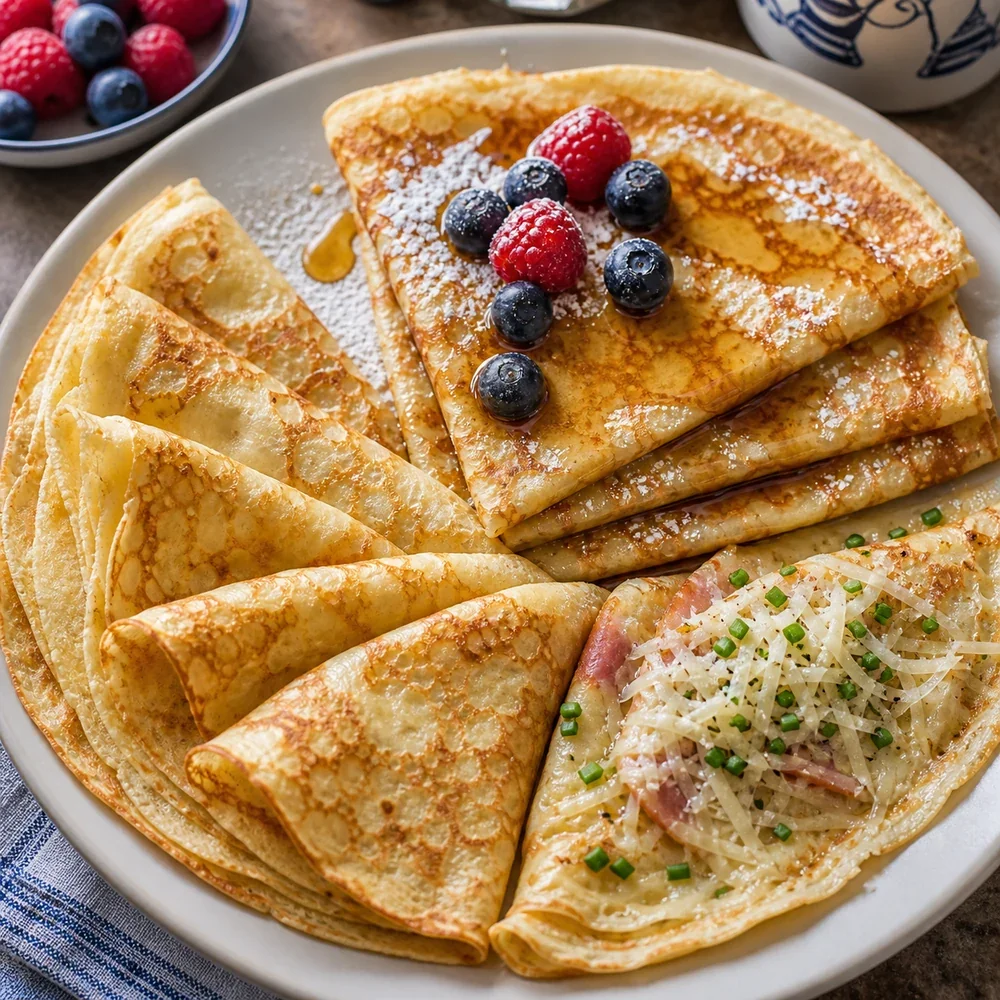

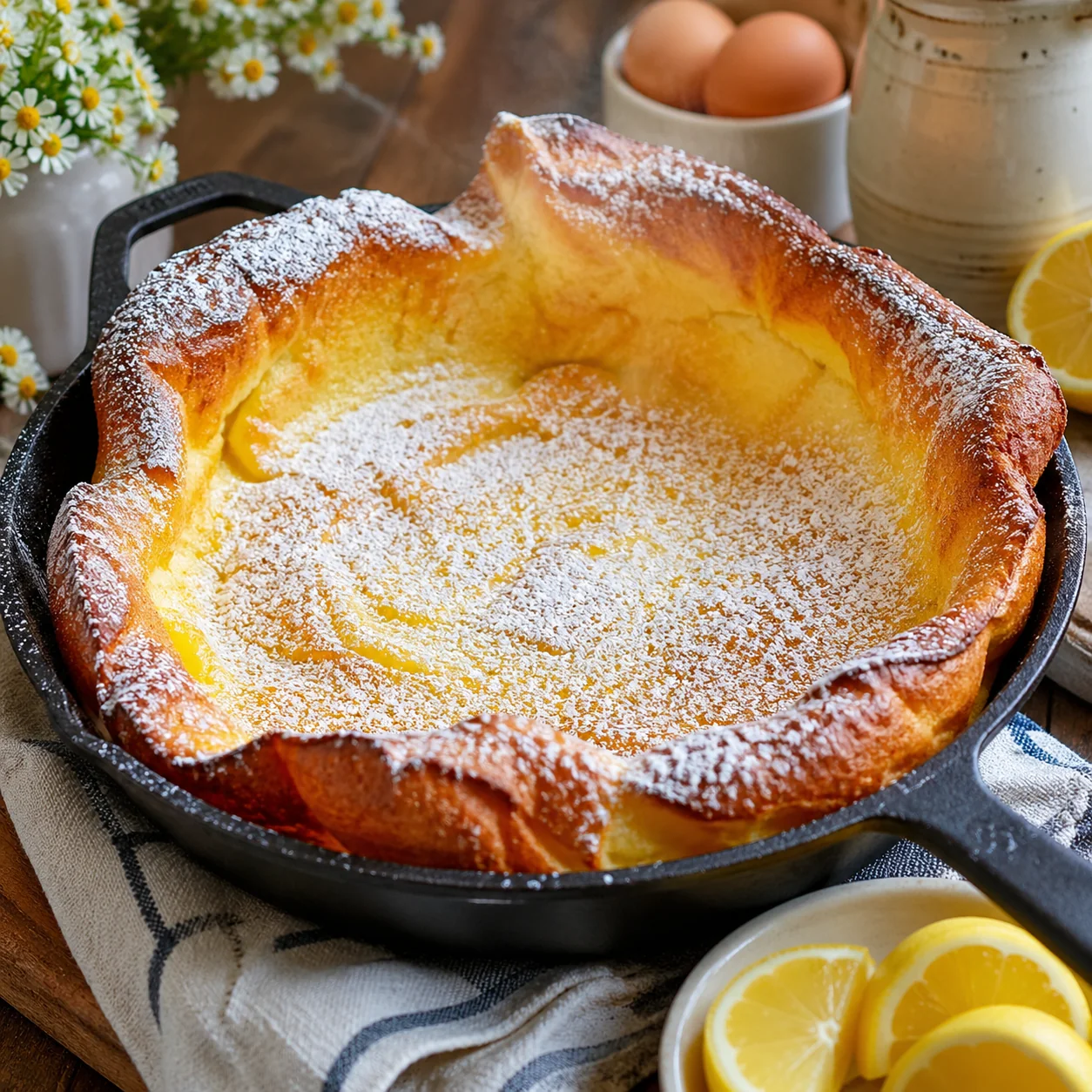
If you have never experienced a true Dutch griddle cake, or 'pannenkoek', you are in for a serious treat. Unlike the fluffy, thick American style or the paper-thin French crepe, these are large, hearty discs that offer a satisfying bite and a slightly chewy texture. Growing up, these were a staple in my household, often served as a main course for dinner rather than just a breakfast item. The beauty lies in their simplicity; with just a few basic pantry staples, you can create a canvas for almost any flavor profile you can imagine.
What I love most about this recipe is its incredible versatility. In the Netherlands, it is perfectly normal to bake slices of apple or crispy bacon right into the batter as it cooks on the griddle. Whether you prefer the classic dusting of powdered sugar and a drizzle of dark syrup, or you want to go the savory route with melted cheese and ham, these cakes never disappoint. They are meant to be shared, often filling the entire plate, making every meal feel like a special occasion with family and friends.
Nutrition (per serving)
Directions
-
1
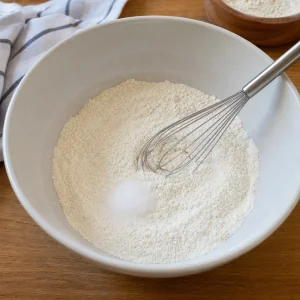
In a large mixing bowl, whisk together the all-purpose flour and salt.
-
2
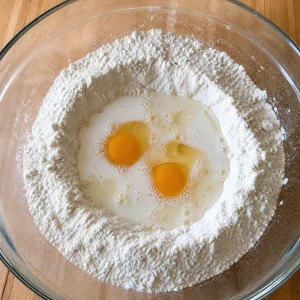
Make a well in the center of the flour and add the eggs along with about half of the milk.
-
3
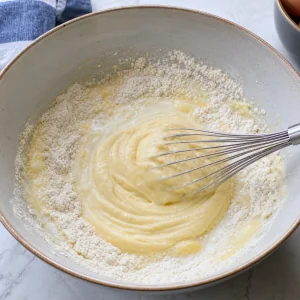
Whisk from the center outward until you have a smooth, thick paste with no lumps.
-
4
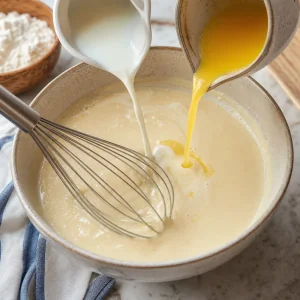
Gradually pour in the remaining milk and the 2 tablespoons of melted butter, whisking constantly until the batter is thin and smooth.
-
5
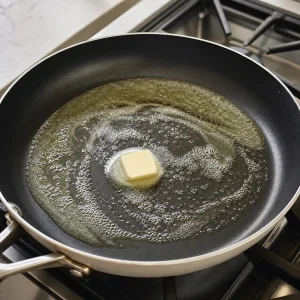
Heat a 10 or 12-inch non-stick skillet or griddle over medium heat and add a small knob of butter to coat the surface.
-
6
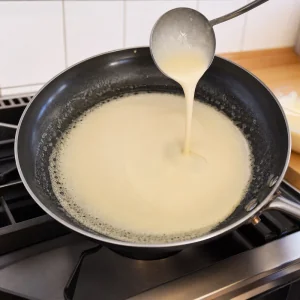
Ladle about 1/2 cup of batter into the center of the hot skillet, immediately tilting and swirling the pan to spread the batter thinly and evenly to the edges.
-
7
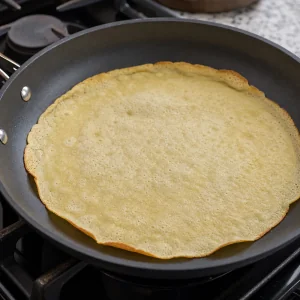
Cook for 2-3 minutes until the bottom is golden brown and the top surface looks dry.
-
8
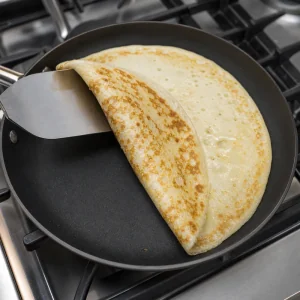
Carefully flip the pancake using a large spatula and cook the other side for another 1-2 minutes until spotted with golden brown.
-
9
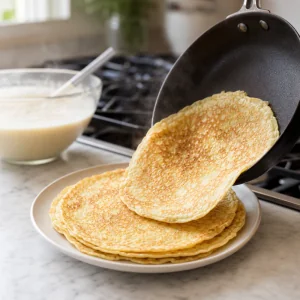
Slide the pancake onto a plate and keep warm while you repeat the process with the remaining batter.
-
10
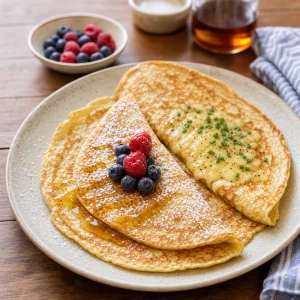
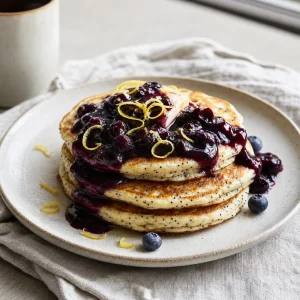
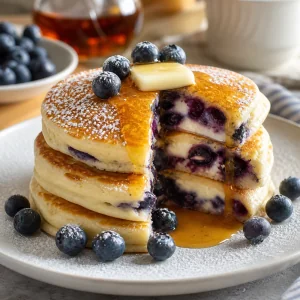
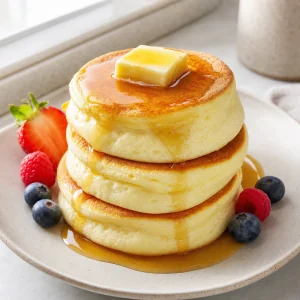
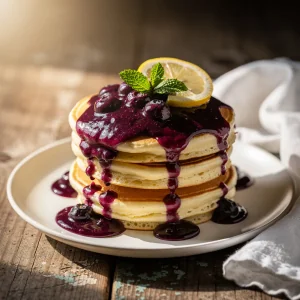
Serve hot with a generous dusting of powdered sugar, syrup, or your favorite sweet or savory toppings.
Ingredients
- All-purpose flour:2 cups
- Large eggs:3 pieces
- Whole milk:2 cups
- Salt:½ tsp
- Unsalted butter, melted:2 tbsp
- Butter for frying:2 tbsp
- Powdered sugar and maple syrup for serving:as desired
Tips & Notes
- For the smoothest batter, let it rest for 15-30 minutes at room temperature before cooking to allow the gluten to relax.
- If you want to make bacon pancakes, lay 2-3 half-strips of bacon in the pan first, fry for a minute, then pour the batter directly over them.
- Keep the finished cakes warm in a 200°F oven stacked between sheets of parchment paper while you finish the rest of the batch.