Authentic Sri Lankan Chicken Curry with Fragrant Rice
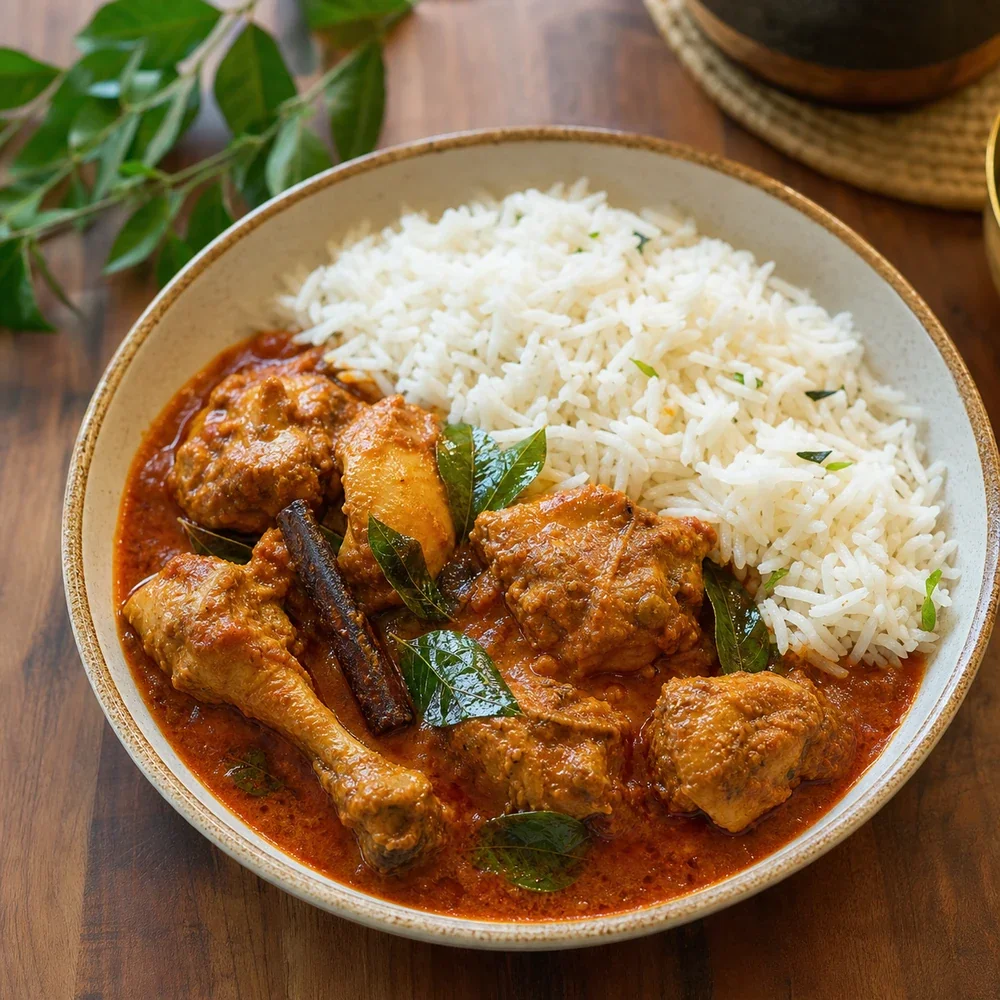

There is something incredibly soul-warming about a true Sri Lankan curry. Unlike many other South Asian curries, the Sri Lankan version relies on 'roasted' curry powder, which gives the dish a deep, complex, and almost smoky flavor profile. The combination of fiery chilies, earthy cinnamon, and the creamy finish of coconut milk creates a symphony of flavors that dance on your palate. It is a dish that tells the story of the island's rich spice heritage and its love for bold, vibrant ingredients.
Cooking this curry in your own kitchen will fill your home with the most intoxicating aroma of toasted spices and fresh curry leaves. I love serving this with a simple, fluffy basmati rice to soak up every drop of that luscious gravy. Whether you're a seasoned spice lover or just looking to expand your culinary horizons, this recipe is a beautiful introduction to the warmth and hospitality of Sri Lankan cuisine. Grab your apron and let's bring a taste of the Indian Ocean to your dinner table tonight!
Nutrition (per serving)
Directions
-
1
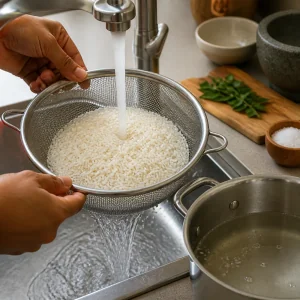
Rinse the basmati rice under cold water until the water runs clear. Cook the rice with 3.5 cups of water and a pinch of salt according to package instructions. Keep warm.
-
2
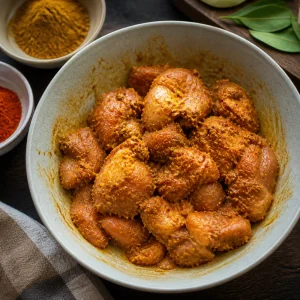
In a large bowl, toss the chicken pieces with the turmeric, chili powder, and half of the roasted curry powder. Let it marinate for 15 minutes while you prep the other ingredients.
-
3
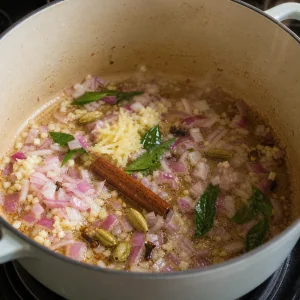
Heat the vegetable oil in a large pot or deep skillet over medium heat. Add the chopped onion, ginger, garlic, curry leaves, cinnamon stick, cardamom, and cloves.
-
4
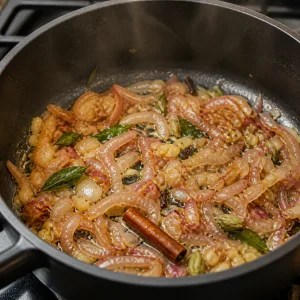
Sauté the aromatics for 5-7 minutes until the onions are golden and translucent.
-
5
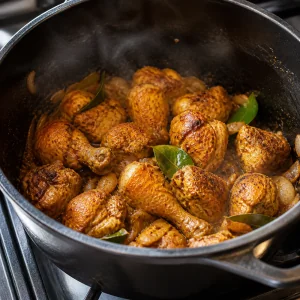
Add the marinated chicken to the pot. Turn the heat up slightly and brown the chicken on all sides for about 5 minutes.
-
6
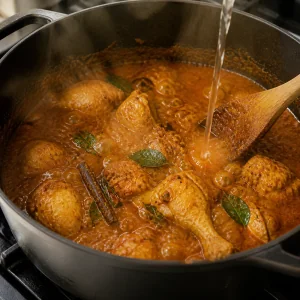
Stir in the remaining roasted curry powder and add 1 cup of water. Bring to a gentle simmer, cover, and cook for 15-20 minutes until the chicken is tender.
-
7
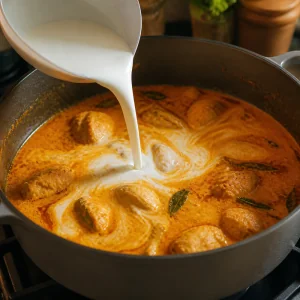
Lower the heat and pour in the coconut milk. Stir well to combine and let it simmer uncovered for another 5-10 minutes to thicken the sauce. Do not let it boil vigorously once the coconut milk is added.
-
8
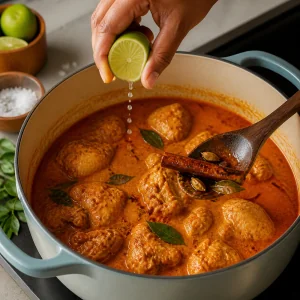
Stir in the lime juice and season with more salt if needed. Remove the cinnamon stick and large spice pods before serving.
-
9
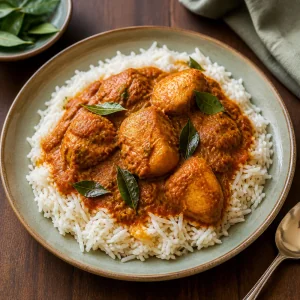
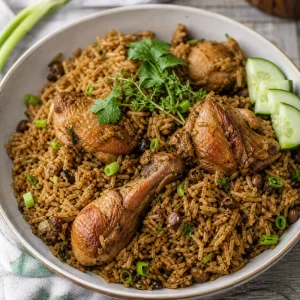
Serve the hot curry over the fluffy basmati rice, garnished with extra fresh curry leaves if desired.
Ingredients
- Boneless chicken thighs, bite-sized:1.5 lb
- Basmati rice:2 cups
- Full-fat coconut milk:1 cup
- Red onion, finely chopped:1 medium
- Garlic, minced:4 cloves
- Fresh ginger, grated:1 tbsp
- Sri Lankan roasted curry powder:2 tbsp
- Turmeric powder:0.5 tsp
- Red chili powder:1 tsp
- Cinnamon stick:1 piece
- Green cardamom pods, crushed:3 pieces
- Whole cloves:3 pieces
- Fresh curry leaves:10 pieces
- Vegetable oil:2 tbsp
- Water:1 cup
- Salt:1 tsp
- Lime juice:1 tbsp
Tips & Notes
- If you can't find Sri Lankan roasted curry powder, you can roast regular curry powder in a dry pan over low heat for 1-2 minutes until it turns a dark cocoa brown.
- For extra richness, use a piece of Pandan leaf (Rampe) during the sautéing stage for an authentic floral aroma.
- Adjust the chili powder to your heat preference; Sri Lankan food is traditionally quite spicy, but this recipe is a balanced medium.