Classic Vanilla Sponge Cake with Buttercream

Vanilla Sponge
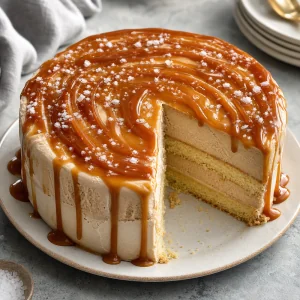
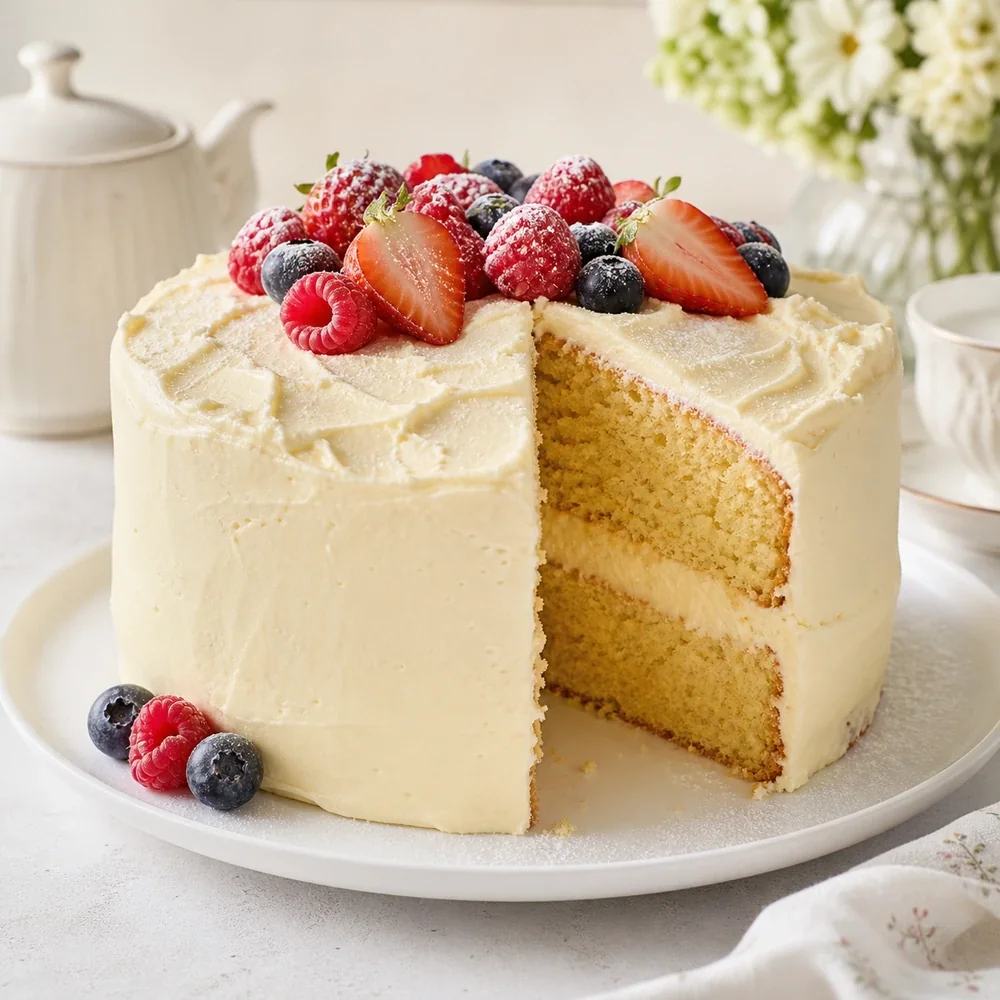
Light and fluffy vanilla sponge cake with silky buttercream frosting. Perfect for celebrations and afternoon tea.
Nutrition (per serving)
This Classic Vanilla Sponge Cake is the ultimate crowd-pleaser and a true staple in English kitchens. It's light, airy, and wonderfully moist with that perfect tender crumb that makes people come back for seconds. Whether you're celebrating a birthday, hosting afternoon tea, or simply craving a slice of comfort, this cake delivers every single time. The beauty of a good sponge cake lies in its simplicity—just a few quality ingredients whisked together to create something truly special.
What makes this recipe foolproof is the creaming method, which traps air into the batter and creates that signature fluffy texture. I've included my best tips for getting it right every time, from room-temperature ingredients to proper baking technique. Once you master this classic, you'll find yourself making it again and again. Top it with silky buttercream and fresh berries, or keep it simple with a dusting of icing sugar—either way, it's absolutely delicious.
Ingredients
- Unsalted butter:8 oz
- Caster sugar:1 cup
- Large eggs:4 pieces
- Self-raising flour:2 cups
- Vanilla extract:2 tsp
- Baking powder:1 tsp
- Whole milk:2 tbsp
- Salt:¼ tsp
- Unsalted butter for frosting:6 oz
- Icing sugar for frosting:1.5 cups
- Vanilla extract for frosting:1 tsp
Instructions
-
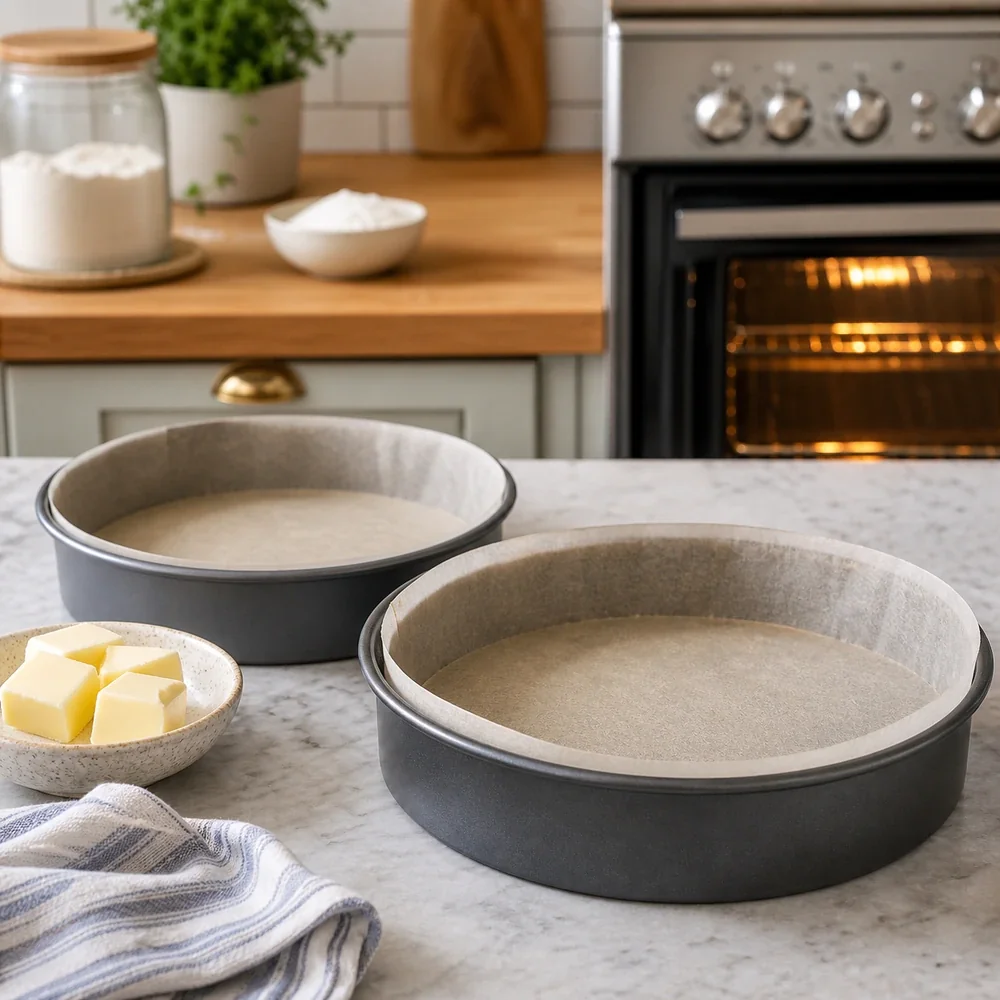
Preheat your oven to 350°F (175°C). Grease and line two 8-inch round cake tins with baking paper.

-
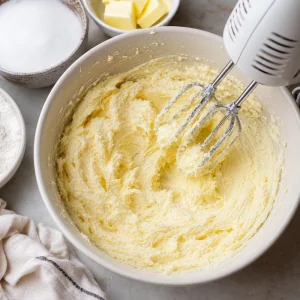
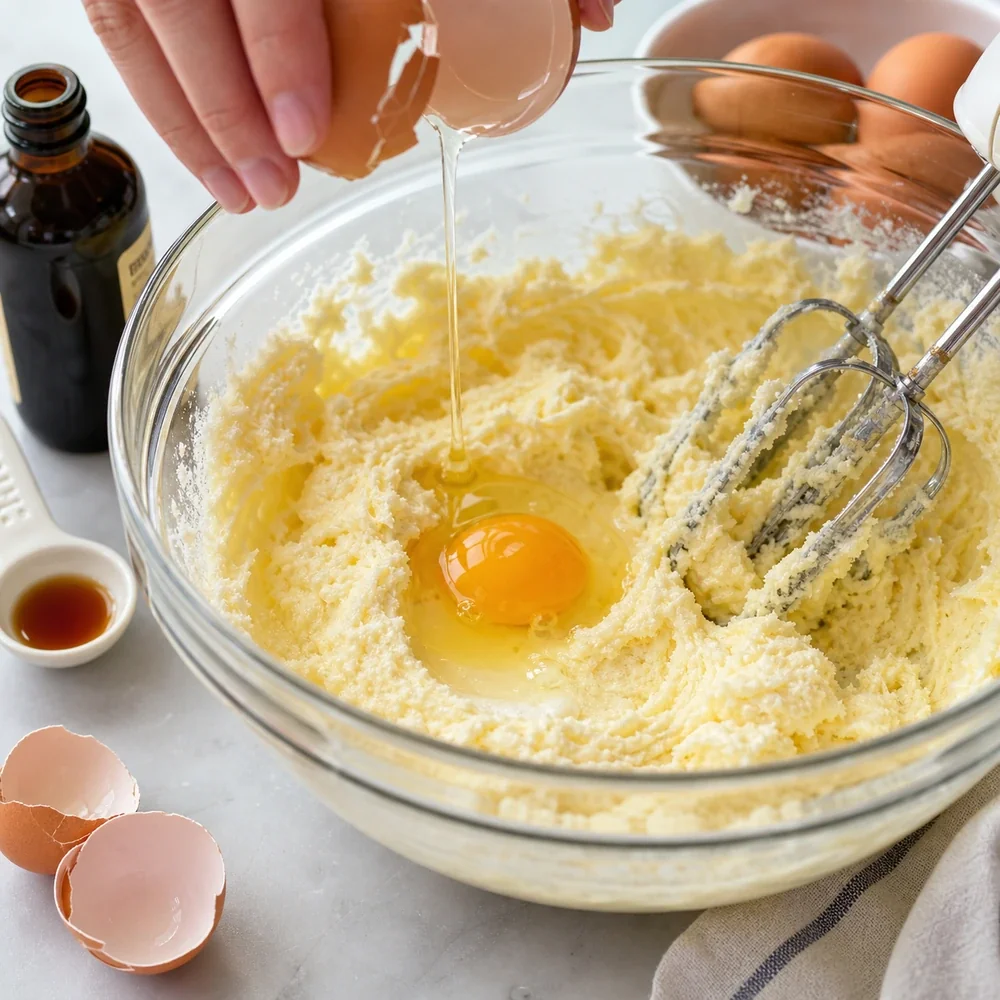
In a large bowl, cream together 8 oz softened butter and 1 cup caster sugar until the mixture is pale and fluffy—this should take about 3-4 minutes. Use an electric mixer for best results.
-
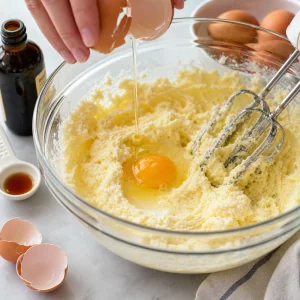
Add the eggs one at a time, beating well after each addition. Add 2 tsp vanilla extract and mix until fully combined.
-
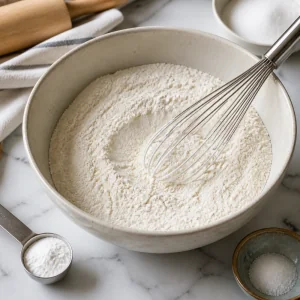
In a separate bowl, whisk together 2 cups self-raising flour, 1 tsp baking powder, and ¼ tsp salt.
-
Gently fold the dry ingredients into the butter mixture in two batches, alternating with 2 tbsp of milk. Fold until just combined—don't overmix.

-
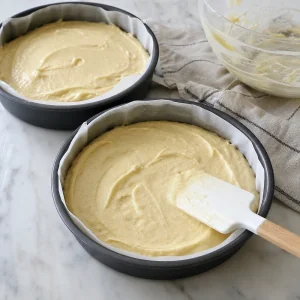
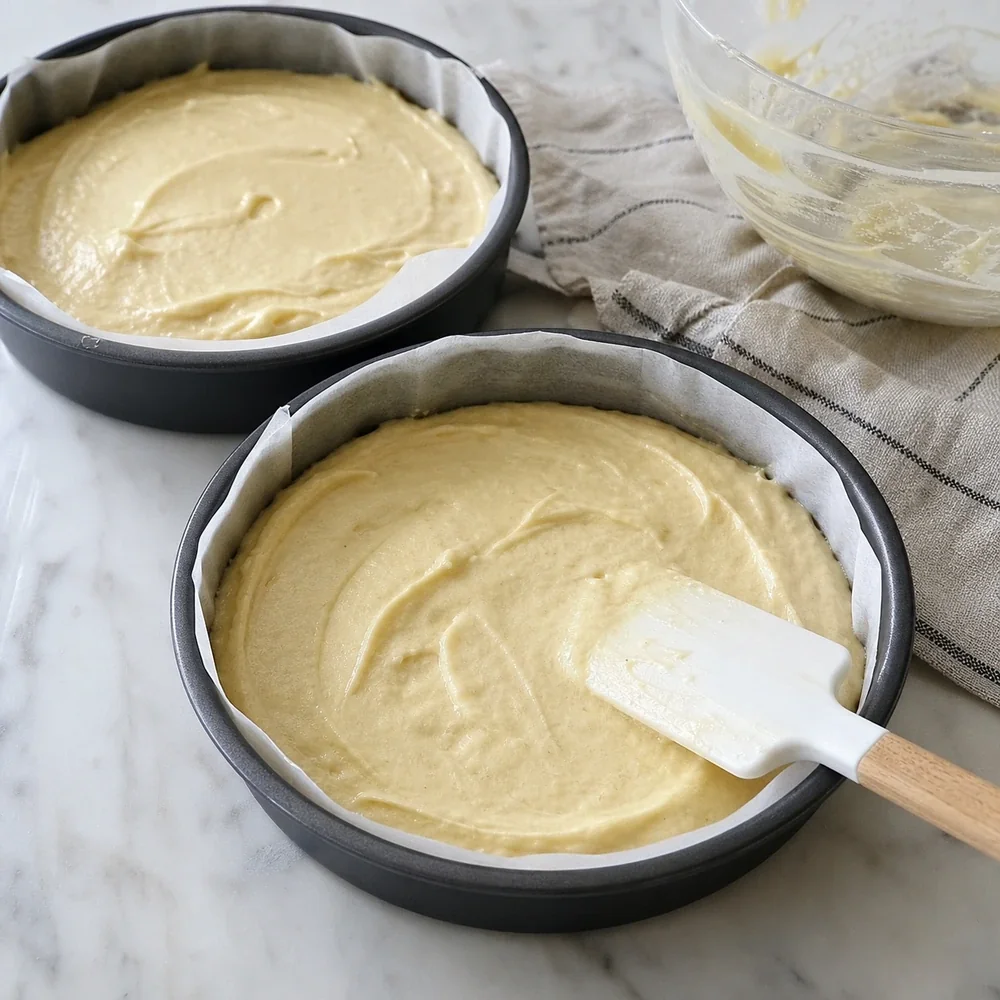
Divide the batter evenly between the two prepared tins and smooth the tops with the back of a spoon.
-
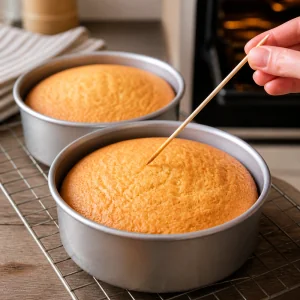
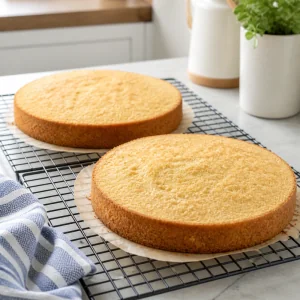
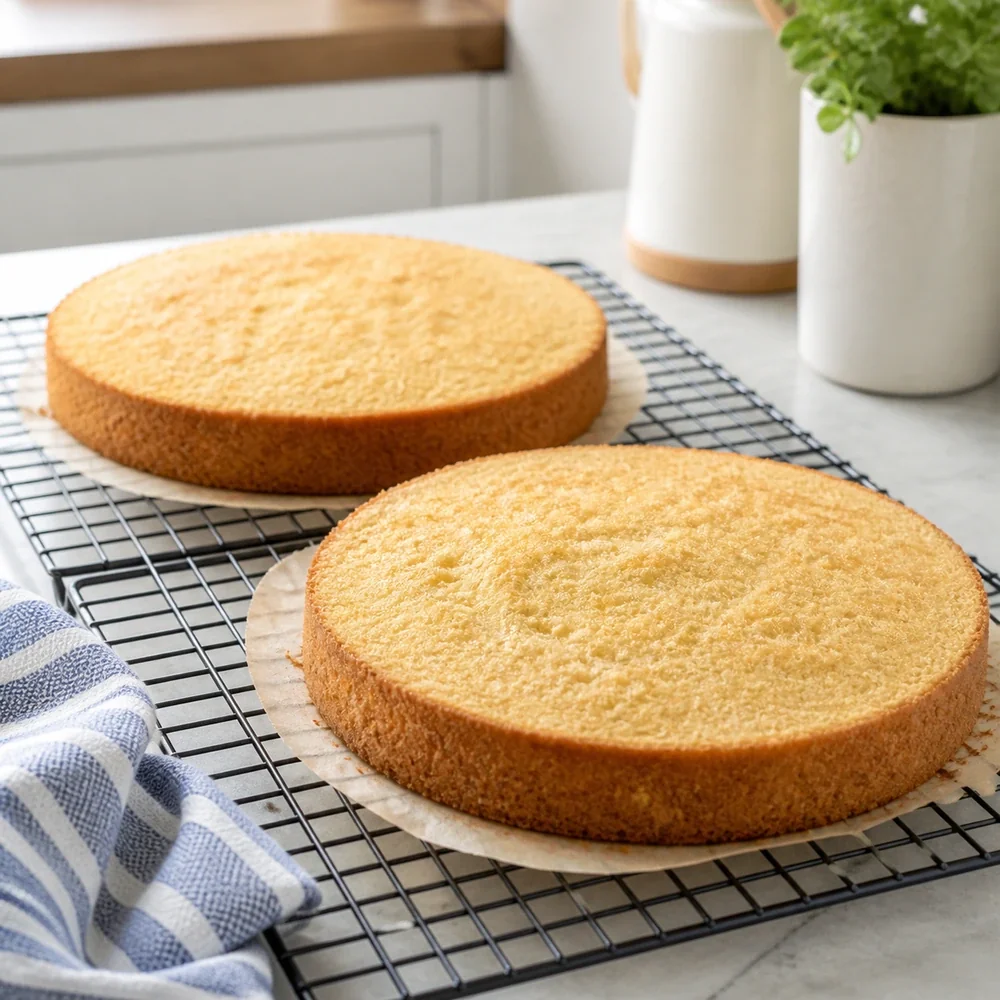
Bake for 22-25 minutes, or until a skewer inserted into the centre comes out clean. The sponges should be golden and spring back when lightly pressed.
-
Remove from the oven and let cool in the tins for 5 minutes, then turn out onto a wire rack to cool completely.
-
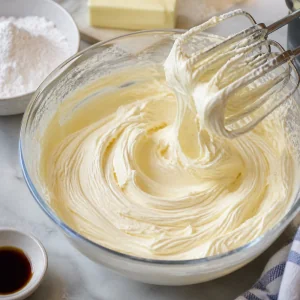
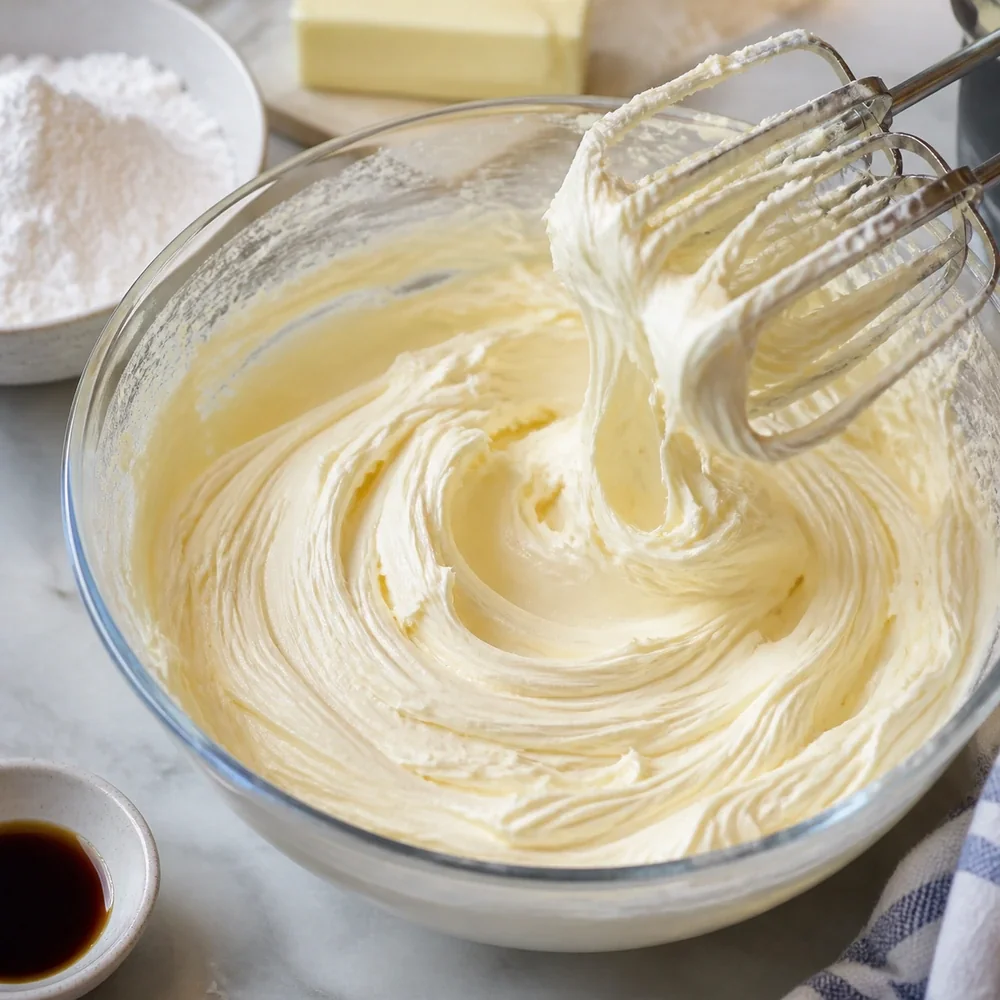
For the buttercream, beat 6 oz softened butter with 1.5 cups icing sugar until light and creamy. Add 1 tsp vanilla extract and a pinch of salt, beat until fluffy.
-
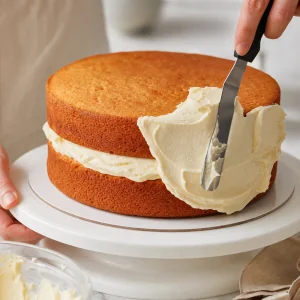
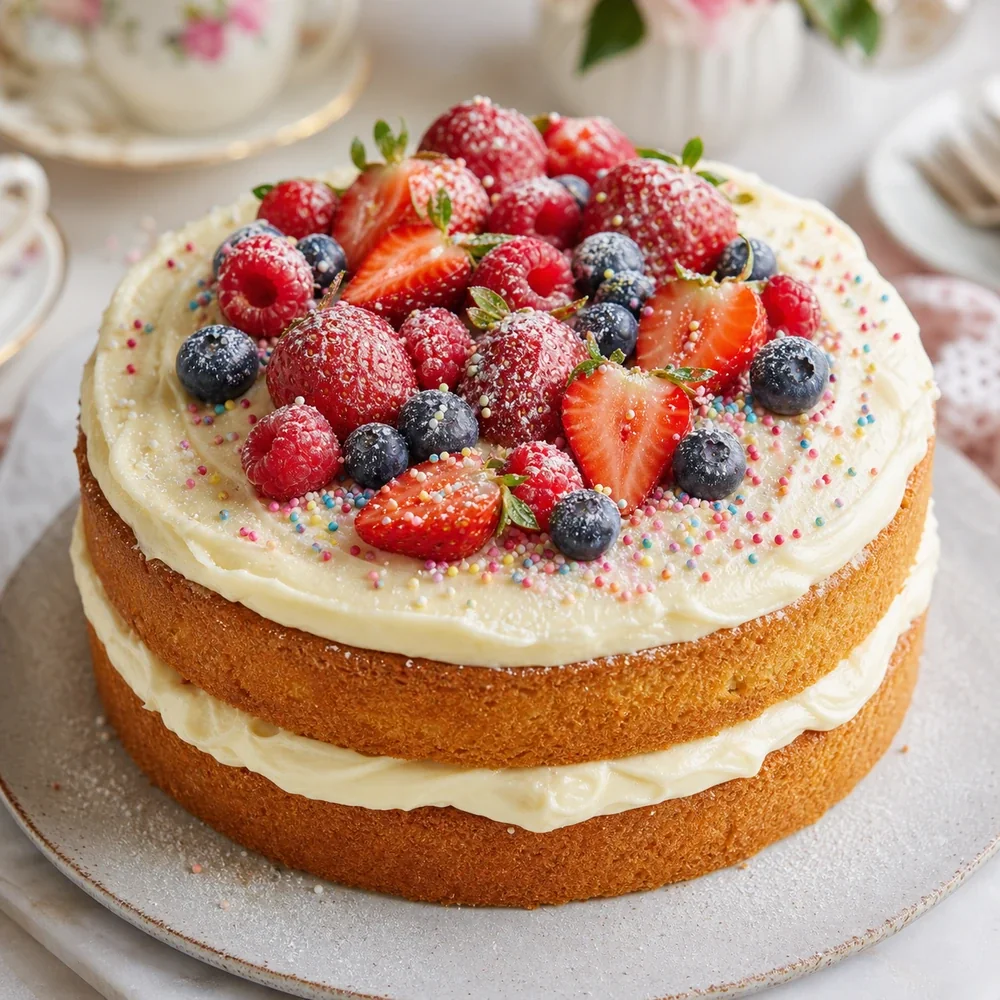
Once the cakes are completely cool, place one on a serving plate and spread a generous layer of buttercream on top. Place the second sponge on top and frost the outside with the remaining buttercream.
-
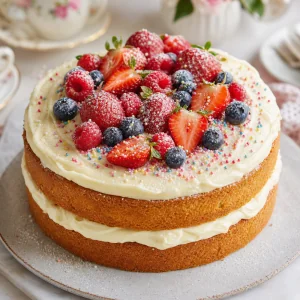
Decorate with fresh berries, sprinkles, or a light dusting of icing sugar as desired.





Tips & Notes
- Make sure all ingredients, especially butter and eggs, are at room temperature before starting—this helps them combine better and creates a lighter cake.
- Don't open the oven door during baking—let the cakes bake undisturbed for the first 20 minutes to ensure they rise properly.
- If your cakes have domed tops slightly, level them with a serrated knife or cake leveller before frosting for a neater finish.
- Sift your icing sugar when making buttercream to avoid lumps and achieve a smooth, creamy texture.
- This cake tastes even better the next day as the crumb settles slightly and flavours develop further.