Korean Beef Bibimbap with Gochujang, Veggies and Sesame
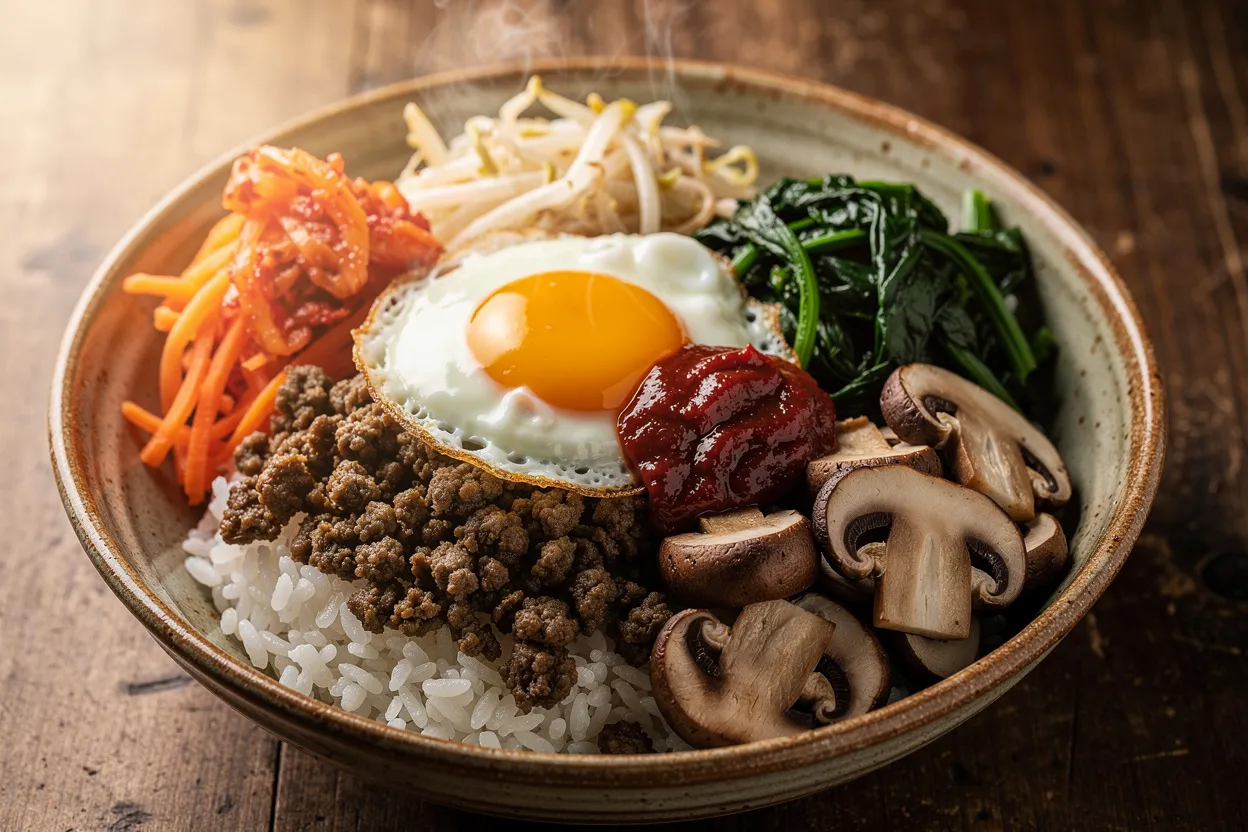

Beef Bibimbap
Hearty rice bowl with marinated beef, crisp vegetables, and bold gochujang—simple, colorful comfort.
Bibimbap is one of my favorite weeknight heroes — a joyful, colorful bowl where savory marinated beef meets crisp, quick-cooked vegetables and a pop of spicy-sweet gochujang. It’s comforting, healthy, and endlessly customizable, which makes it perfect for feeding a crowd or treating yourself.
This version keeps things approachable: ground beef for speed, a handful of commonly found vegetables, and an easy gochujang sauce. Cook the components ahead and assemble warm bowls topped with a runny egg for the most satisfying mix-everything feast.
Nutrition (per serving)
Directions
-
1

Rinse the rice under cold water until the water runs clear. Combine rice and 2 1/2 cups water in a saucepan, bring to a boil, then reduce to low, cover and simmer 15 minutes; remove from heat and let rest 10 minutes, covered.
-
2
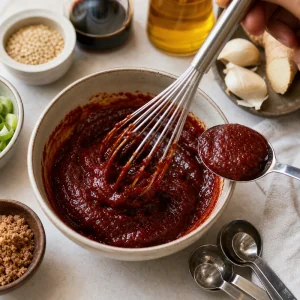
While rice cooks, whisk together gochujang, 1 tbsp soy sauce, 1 tbsp sesame oil and brown sugar in a small bowl to make a sauce; set aside.
-
3
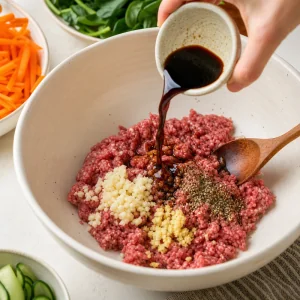
In a bowl, mix the ground beef with 2 tbsp soy sauce, minced garlic, minced ginger and 1/2 tsp black pepper. Let it marinate while you prep vegetables.
-
4
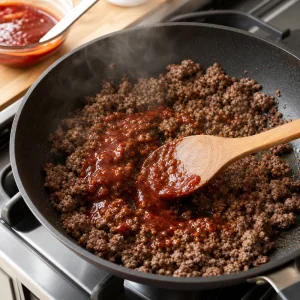
Heat 1 tbsp vegetable oil in a large skillet over medium-high heat. Add the beef, breaking it up with a spoon, and cook until browned and cooked through, about 6–8 minutes. Stir in 2 tbsp of the gochujang sauce, toss, and keep warm.
-
5
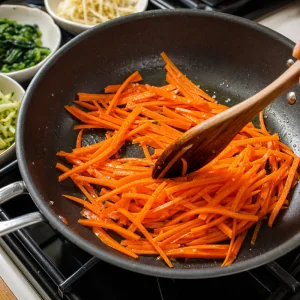
In the same skillet (wipe out if needed), add another 1 tbsp oil and sauté julienned carrots until just tender, 2–3 minutes. Remove and season lightly with salt.
-
6
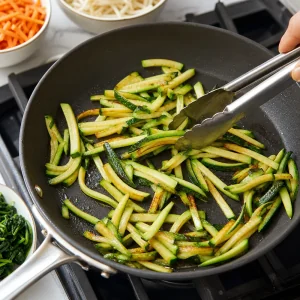
Sauté zucchini in the skillet 2–3 minutes until slightly golden; remove and season with a pinch of salt.
-
7
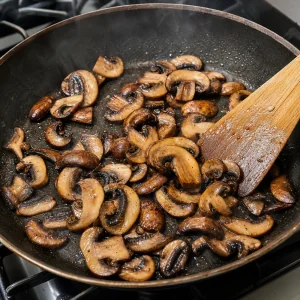
Add mushrooms to the hot skillet and cook until they release liquid and brown, 4–5 minutes; season and remove.
-
8
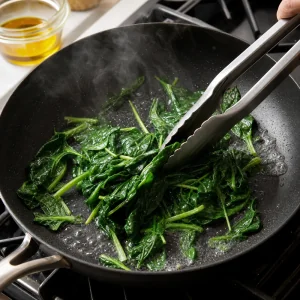
Quickly wilt the spinach in the skillet with a splash of water for 30–45 seconds, then squeeze out excess water and season with a little sesame oil and salt.
-
9
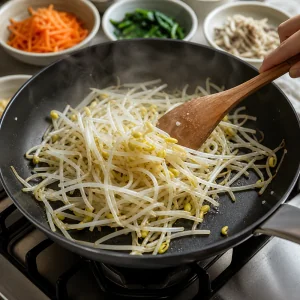
Briefly toss bean sprouts in the hot pan for 1–2 minutes with a pinch of salt, or blanch for 30 seconds and drain.
-
10

Fry eggs sunny-side-up in a nonstick pan with a little oil so the yolks stay runny, 2–3 minutes, seasoning with salt and pepper.
-
11
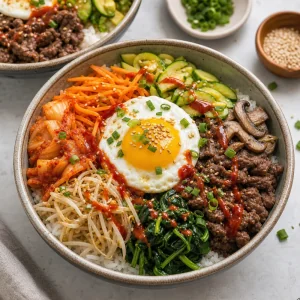
To assemble, divide warm rice among 4 bowls. Arrange beef, each vegetable, and kimchi in sections on top of the rice. Place a fried egg in the center, drizzle remaining gochujang sauce and a little sesame oil over each bowl, and sprinkle with toasted sesame seeds and sliced green onion.
-
12
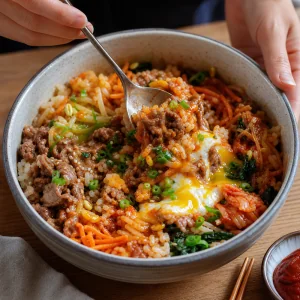
Serve immediately so everyone can mix everything together at the table; adjust gochujang to taste for more heat or sweetness.
Ingredients
- Short-grain white rice (uncooked):2 cups
- Water (for rice):2 1/2 cups
- Ground beef (80/20):1 lb
- Gochujang (Korean chili paste):3 tbsp
- Soy sauce:3 tbsp
- Sesame oil:2 tbsp
- Brown sugar:1 tbsp
- Garlic cloves, minced:3 pieces
- Fresh ginger, minced:1 tsp
- Carrots, julienned:2 pieces
- Zucchini, julienned:1 piece
- Baby spinach:5 oz
- Cremini mushrooms, sliced:8 oz
- Bean sprouts:8 oz
- Kimchi, chopped:1 cup
- Eggs:4 pieces
- Vegetable oil (for sautéing):2 tbsp
- Toasted sesame seeds:1 tbsp
- Green onions, sliced:2 pieces
- Salt:1/2 tsp
- Black pepper:1/4 tsp
Tips & Notes
- Cook components ahead and warm them slightly before serving for a fast assembly—bibimbap shines when each element is seasoned separately.
- If you like extra crunch, top with toasted seaweed (gim) strips or crushed roasted peanuts for texture.
- For a lighter version, swap ground beef for thinly sliced flank steak or ground turkey and reduce sesame oil to 1 tbsp.