Miel de Chiverre: Traditional Costa Rican Sweet Gourd Syrup

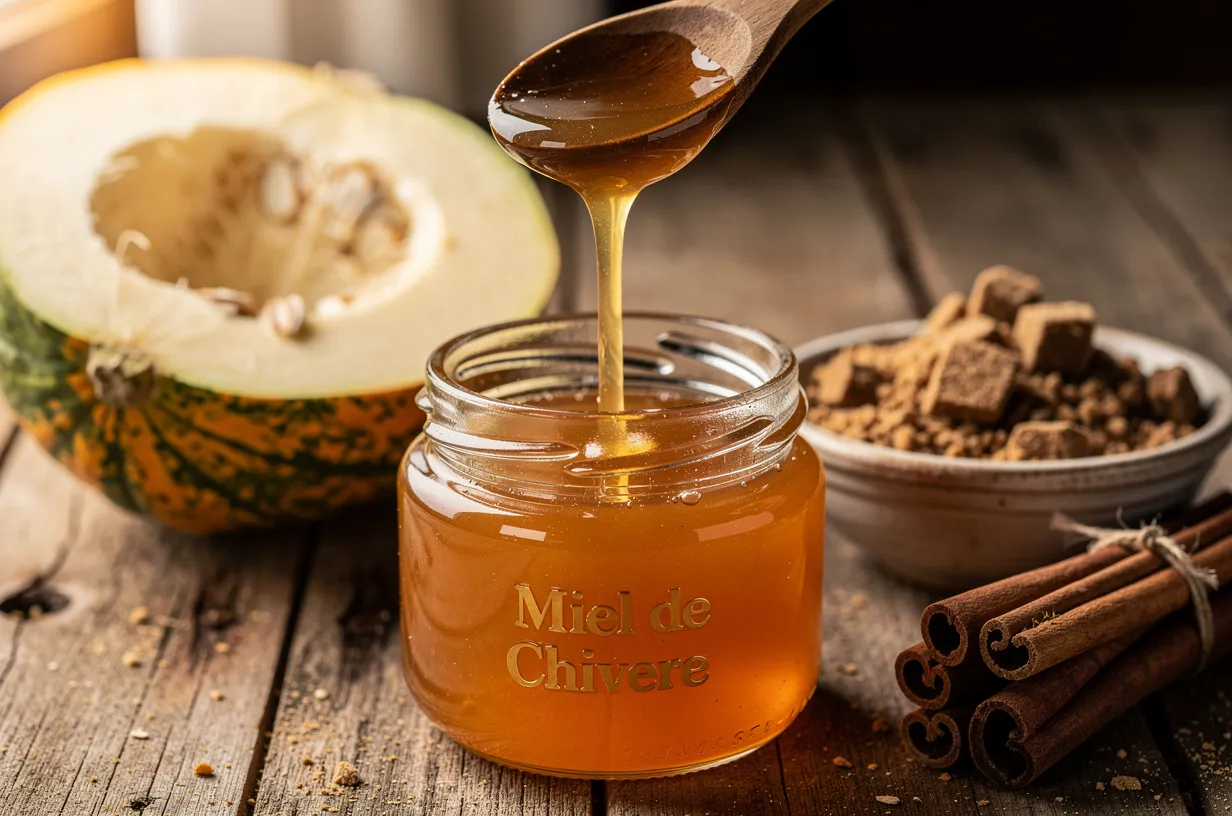
Miel de Chiverre
Silky sweet syrup made from chiverre squash, cinnamon, and panela—Costa Rican and comforting.
Nutrition (per serving)
Miel de Chiverre is a beloved Costa Rican preserve made from the chiverre squash (a sweet, firm winter squash) cooked down with cane sugar, panela or brown sugar, warm spices, and a splash of citrus. In Costa Rica it’s served as a dessert spread, spooned over fresh cheese, or kept in the pantry for sweetening breakfasts and treats—there’s a comfort to its warm, caramel-like flavor that feels like home.
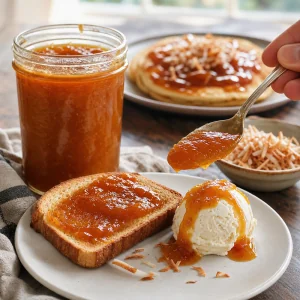
This recipe walks you through grating and slowly simmering the chiverre until it melts into a silky, aromatic syrup. The result is glossy, richly spiced, and versatile—use it as a spread on toast, a topping for ice cream, or a filling for empanadas. It keeps well refrigerated and only gets better as the flavors meld.
Ingredients
- Chiverre squash (peeled, seeded, grated):2 lb
- Granulated sugar:2 cups
- Panela (or dark brown sugar):1 cup
- Water:2 cups
- Cinnamon sticks:2 pieces
- Whole cloves:6 pieces
- Lemon zest:1 tbsp
- Fresh lime juice:2 tbsp
- Vanilla extract:1 tsp
- Salt:1/4 tsp
- Toasted shredded coconut (optional, for serving):1/4 cup
Instructions
-
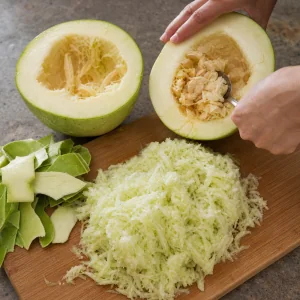
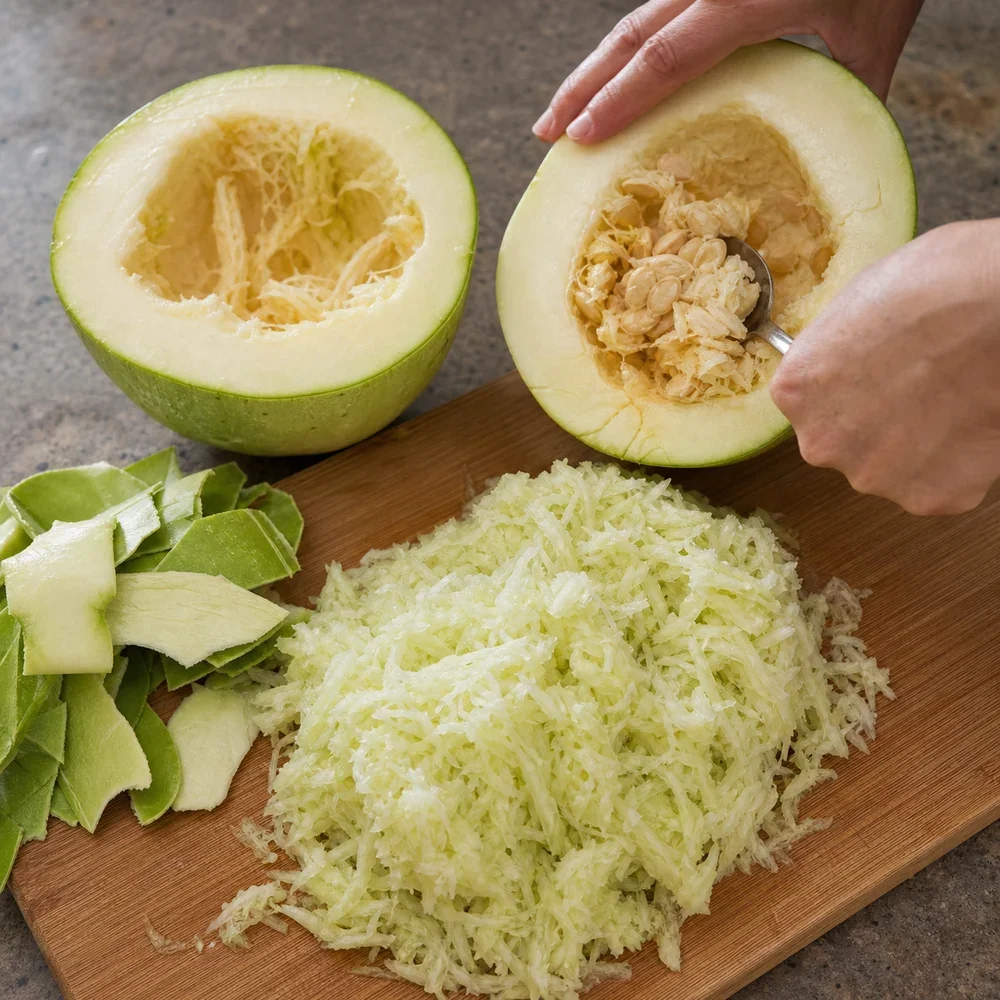
Prepare the chiverre: peel, halve, remove seeds, and grate the flesh on a coarse grater until you have about 2 pounds of grated squash.
-
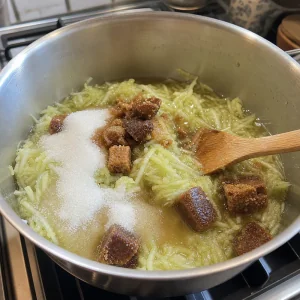
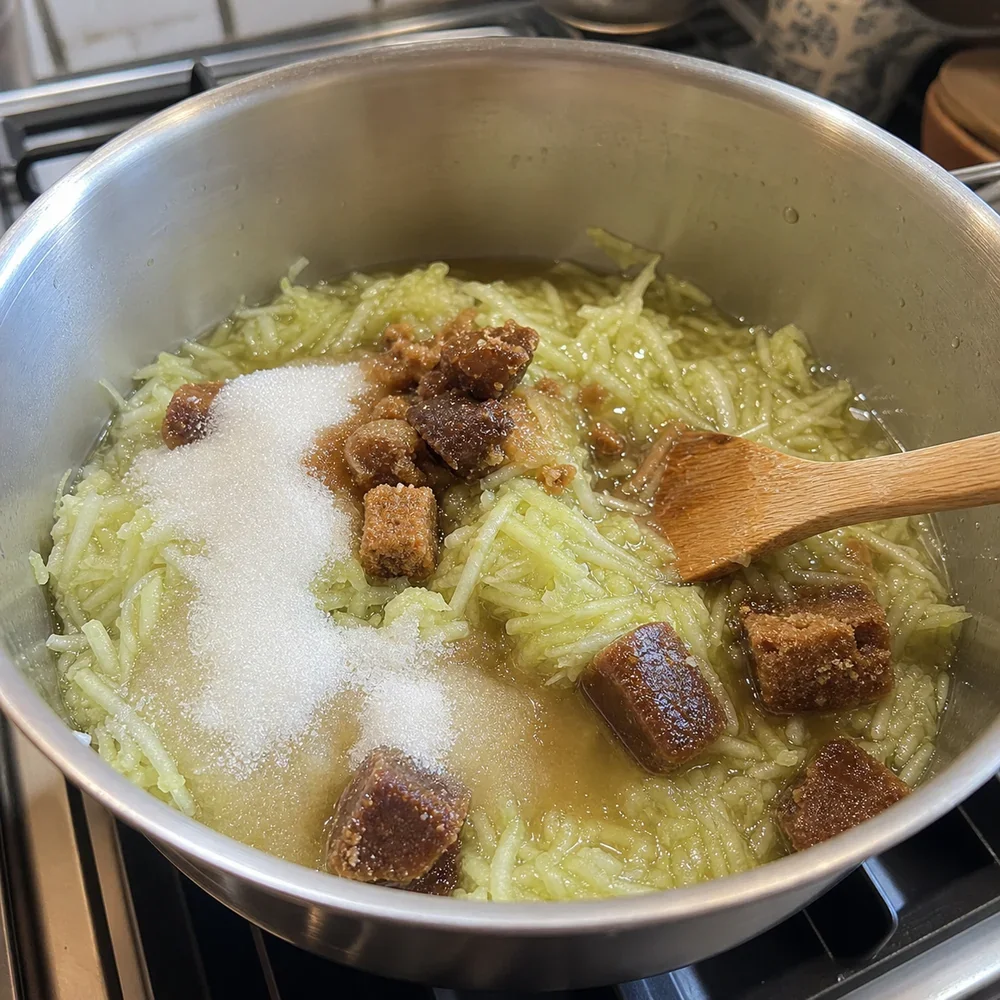
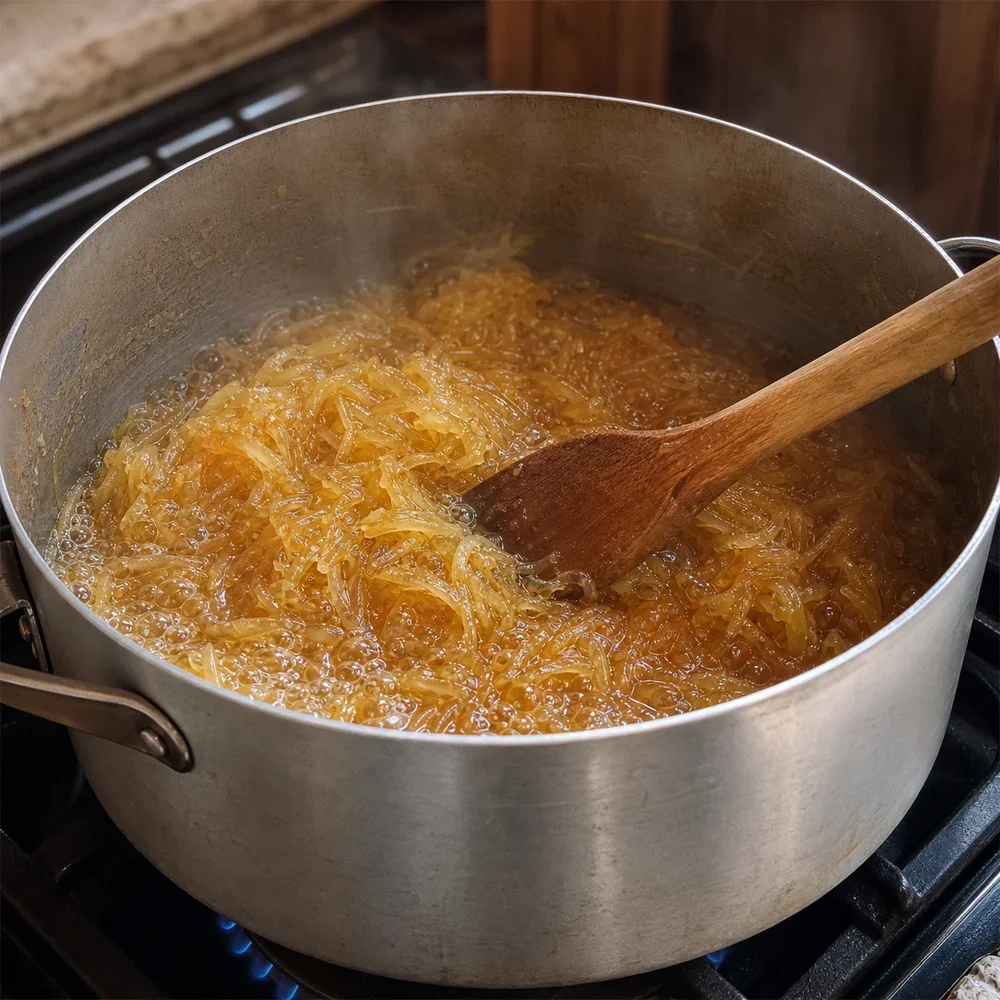
In a wide, heavy-bottomed saucepan combine the grated chiverre, granulated sugar, panela (or dark brown sugar), and water. Stir to combine so the sugar begins to dissolve.
-
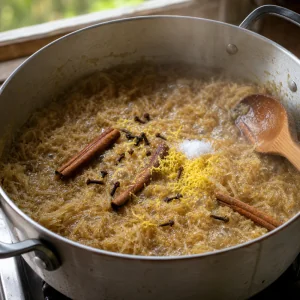
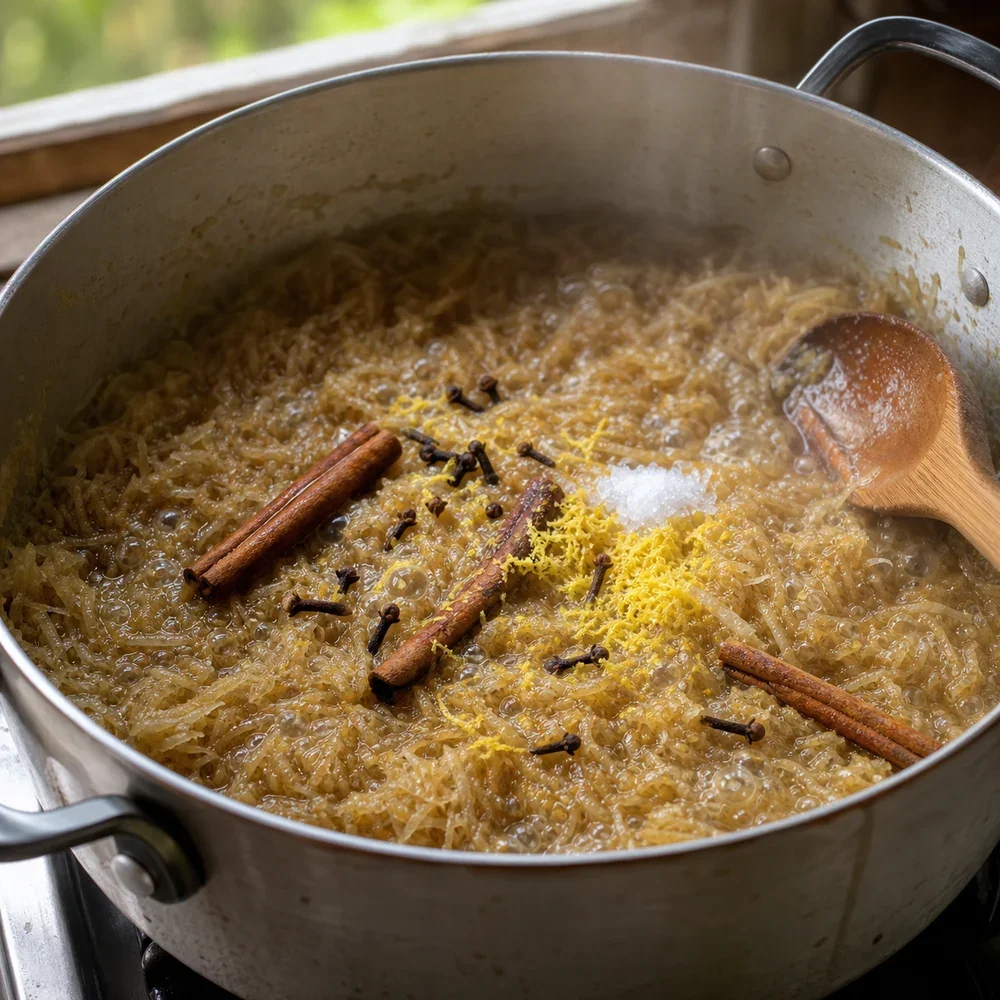
Add the cinnamon sticks, whole cloves, lemon zest, and salt. Bring the mixture to a gentle boil over medium heat, stirring occasionally.
-
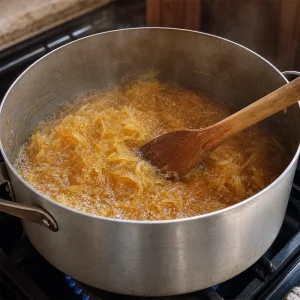
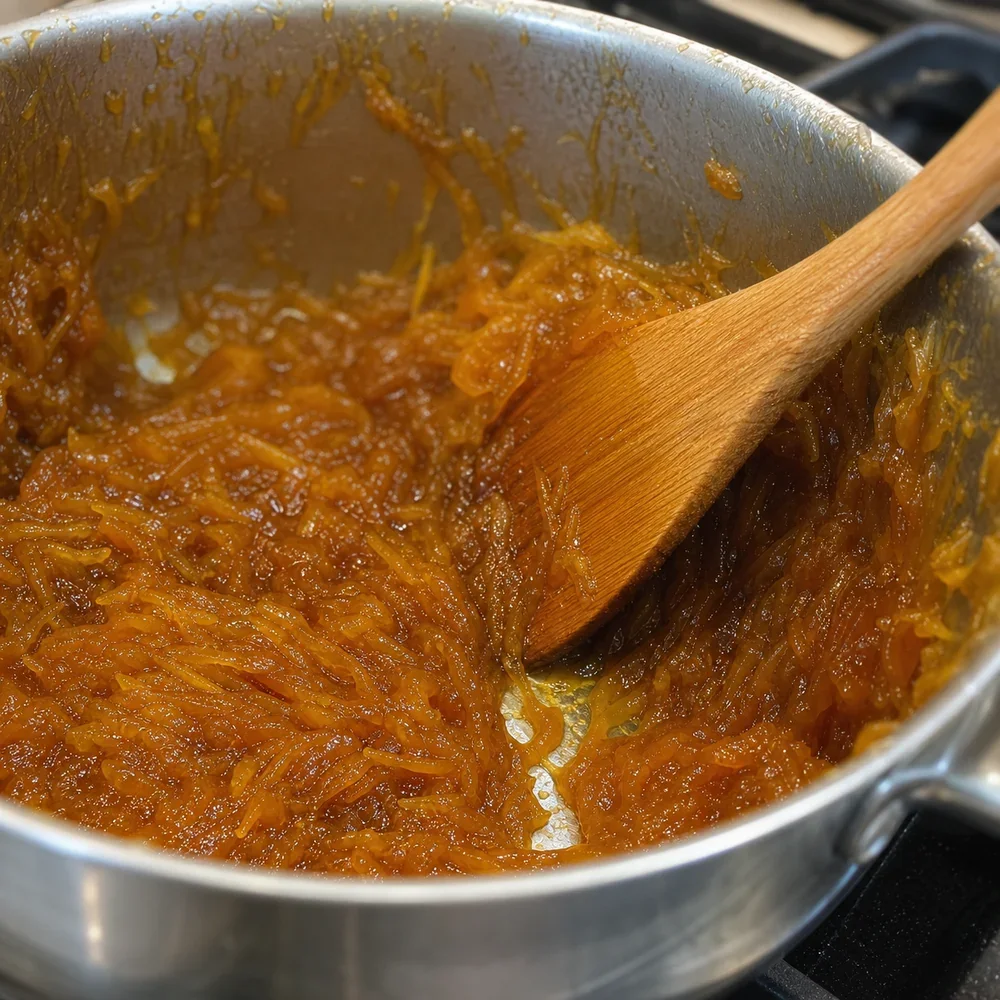
Once boiling, reduce the heat to low and let the mixture simmer gently. Stir every 10–15 minutes to prevent sticking and to help the squash break down—this will take about 60–75 minutes.
-
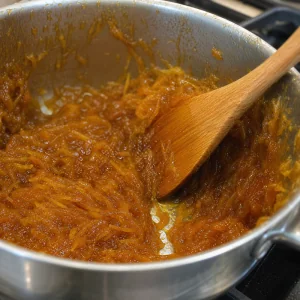
As it simmers the mixture will darken and thicken; use the back of a spoon to mash any larger pieces of squash against the side of the pan for a smoother texture.
-
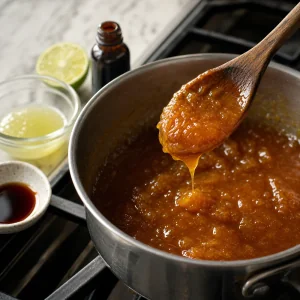
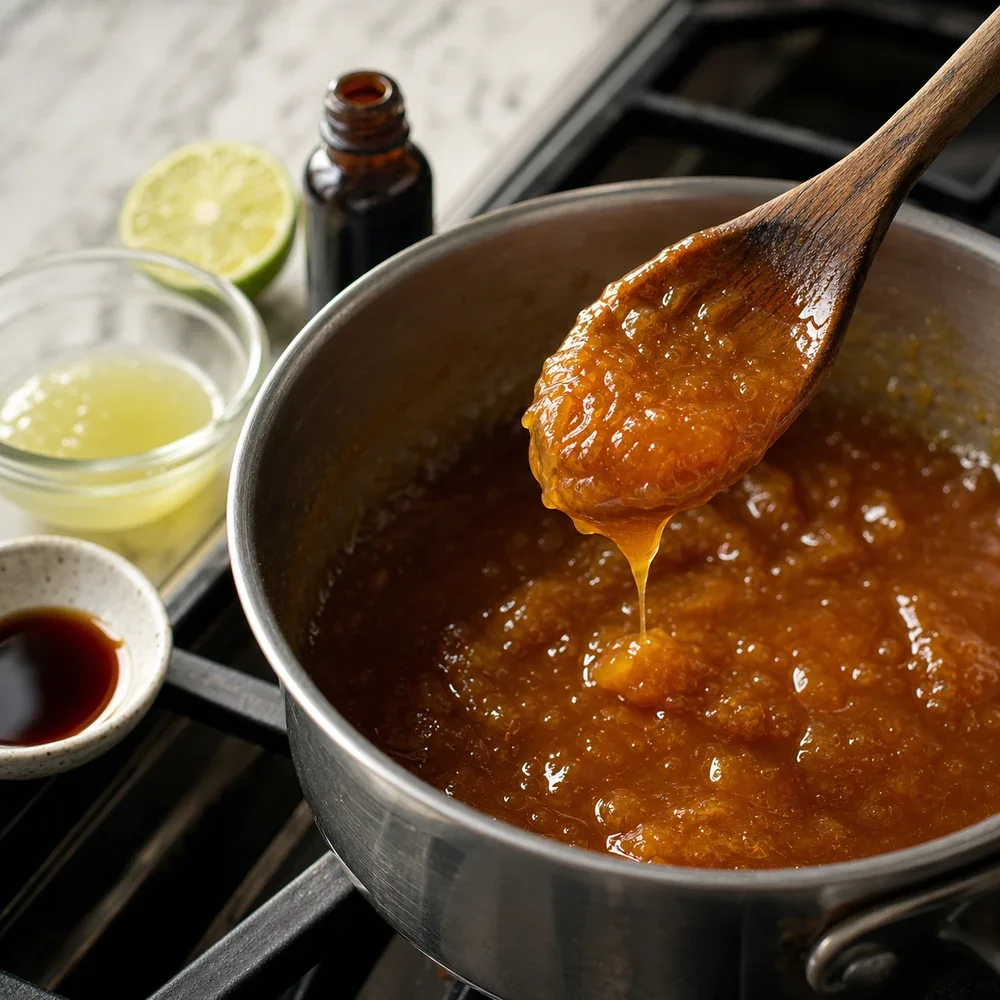
When the liquid is reduced and the mixture has a glossy, jammy consistency (it should coat the back of a spoon), stir in the lime juice and vanilla extract. Taste and adjust sweetness or acidity if needed.
-
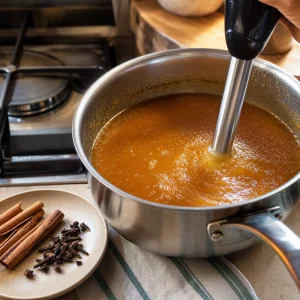
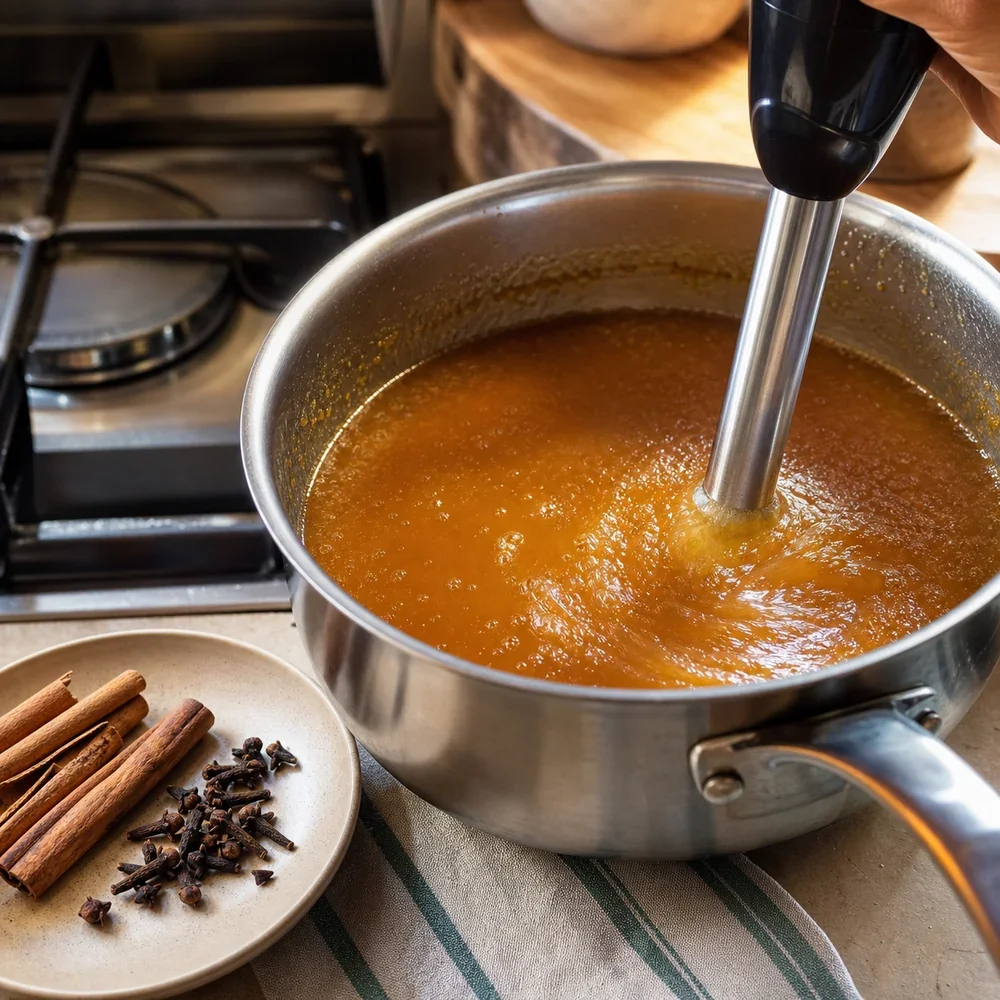
Remove from heat and fish out the cinnamon sticks and cloves. If you prefer an ultra-smooth syrup, pulse the mixture briefly with an immersion blender or transfer to a blender and purée, then return to the pan to warm through.
-
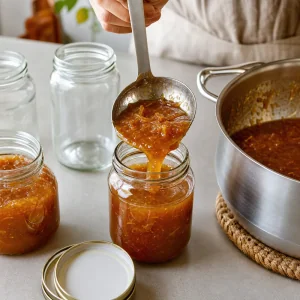
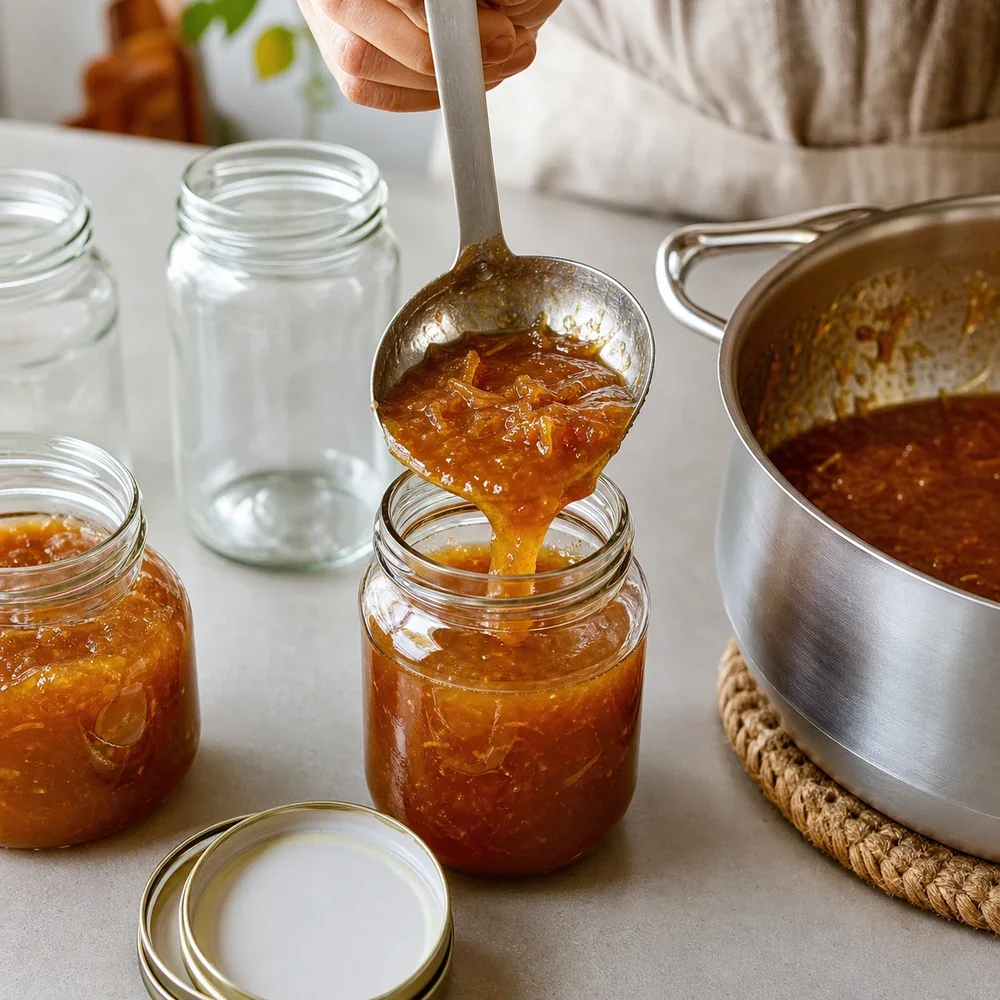
Ladle the warm miel into sterilized jars, leaving 1/4 inch headspace. Seal and cool to room temperature, then refrigerate. The syrup will thicken further as it cools.
-
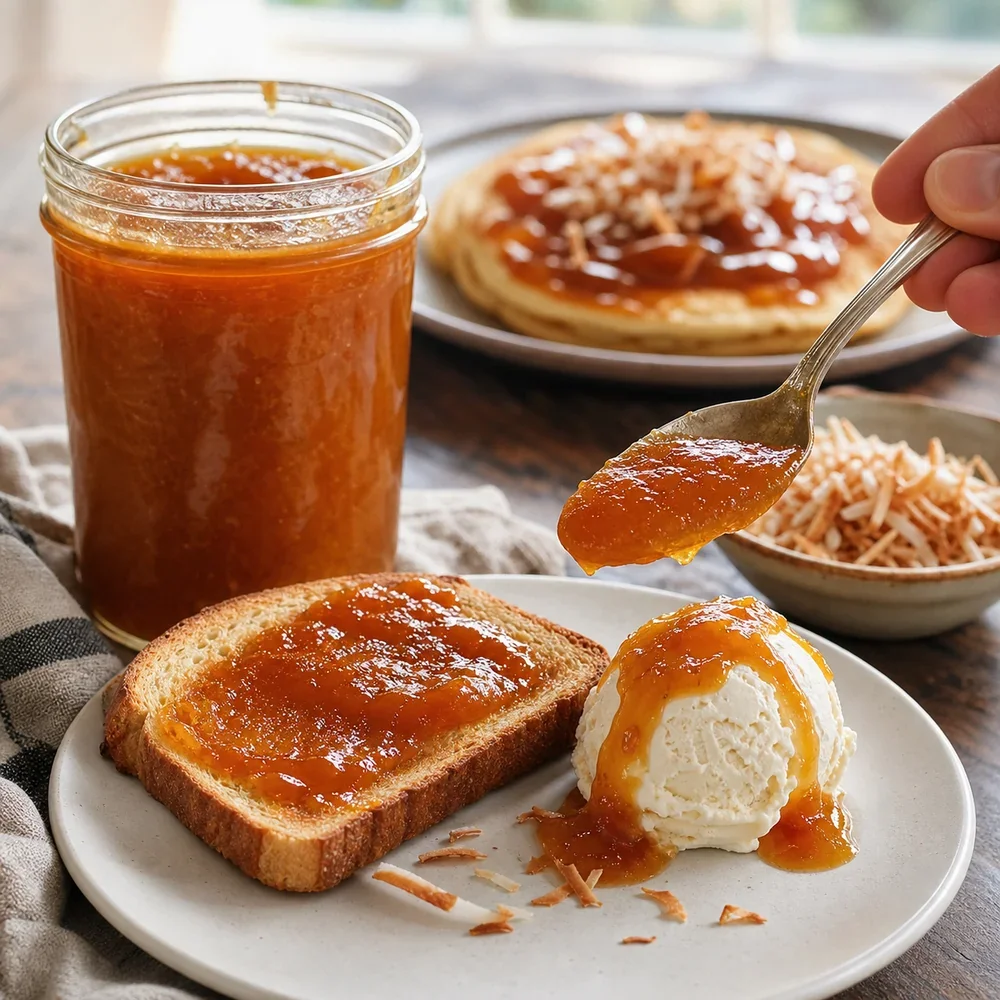
Store refrigerated for up to 2 months. Serve spread on toast or warm cheese, spoon over ice cream or pancakes, or use as a filling for sweet empanadas.
Tips & Notes
- If you can't find panela, use dark brown sugar—panela adds a deeper, molasses-like flavor that is traditional.
- Grate the chiverre by hand for texture or pulse coarsely in a food processor; avoid pureeing it raw or you'll lose some of the squash’s body.
- Keep the heat low during the long simmer to avoid scorching; a heavy-bottomed pan helps distribute heat evenly.
- For a longer shelf life, hot-fill into sterilized jars and process in a water bath for 10 minutes (altitude dependent).