Traditional Italian Colomba Easter Cake with Almond Glaze
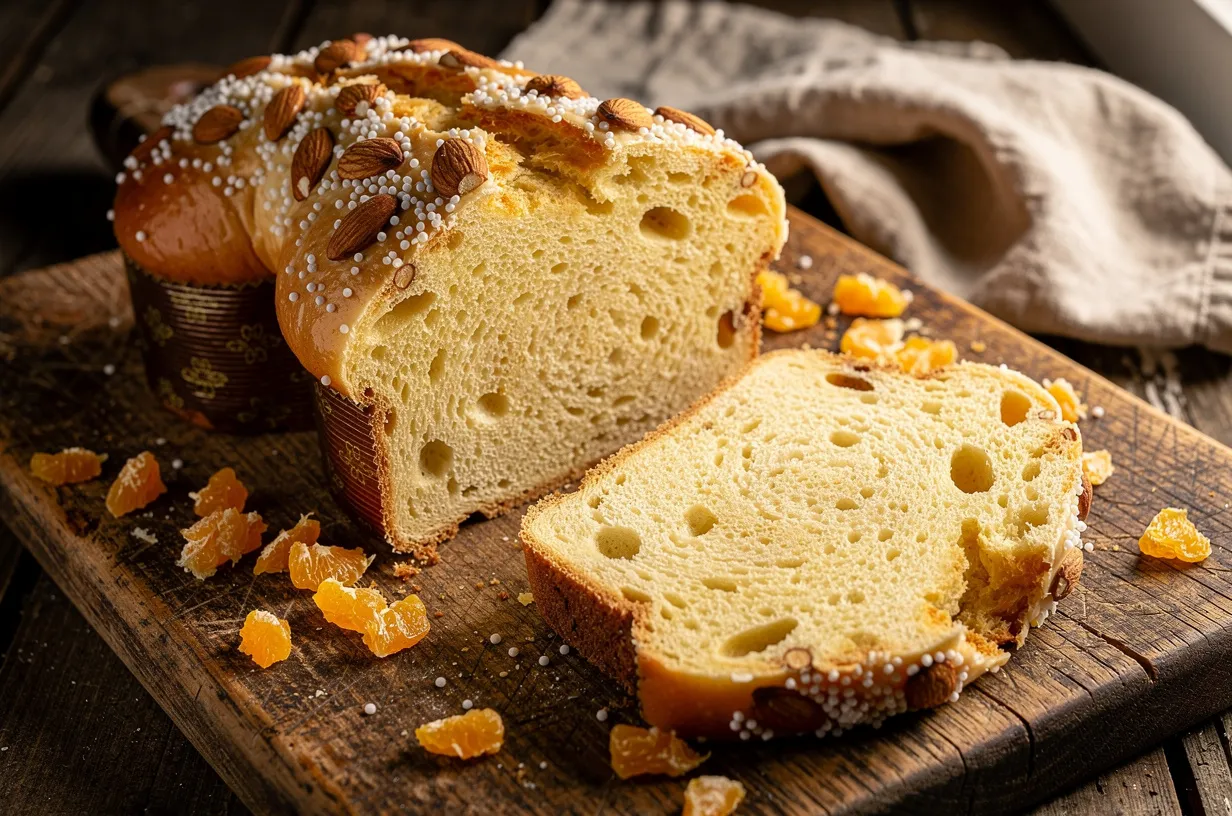

Colomba is the soul of an Italian Easter table — a tender, enriched dove-shaped loaf studded with candied orange and finished with a crunchy almond glaze. It’s like panettone’s springtime cousin: buttery, fragrant with citrus, and impossibly soft when made right.
This recipe walks you through a classic, hands-on method that honors tradition without being intimidating. Expect a bit of patience for the multiple rises, but the payoff — a golden, fragrant loaf perfect for sharing — is worth every minute.
Nutrition (per serving)
Directions
-
1
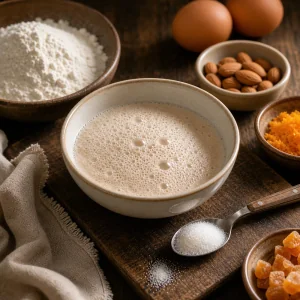
Bloom the yeast: whisk warm milk, 1 tsp sugar and the instant yeast in a small bowl and let sit 5–10 minutes until foamy.
-
2
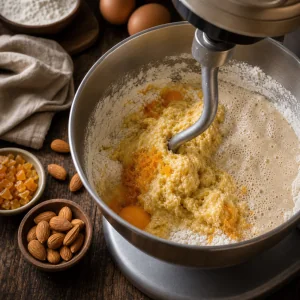
Make the dough: in a stand mixer bowl combine bread flour, remaining sugar and salt. Add eggs, vanilla, orange zest and the foamy yeast mixture. Mix on low with the dough hook until a rough dough forms, about 3–4 minutes.
-
3
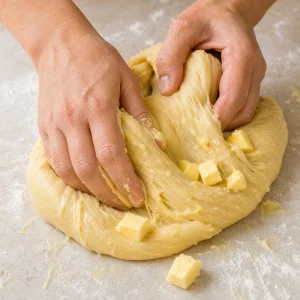
Enrich the dough: with mixer running on low, add softened butter a tablespoon at a time, allowing each addition to incorporate fully. Continue mixing 8–10 minutes until the dough is smooth, supple and slightly sticky. Stir in candied orange peel and rum if using for the last minute.
-
4
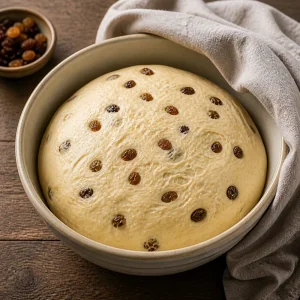
First rise: transfer dough to a lightly oiled bowl, cover with plastic wrap or a towel, and let rise in a warm place until doubled, about 2–3 hours (or refrigerate overnight for deeper flavor — bring back to room temp before proceeding).
-
5
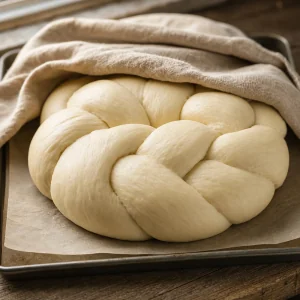
Shape into a dove: gently deflate the dough and divide it into two portions (one slightly larger for the body and one smaller for the wings). Roll the larger piece into an oval for the body and the smaller into two wing shapes; arrange on a buttered Colomba paper mold or in a lined loaf pan, wings crossing the body to suggest a dove. Tuck and seal seams gently.
-
6
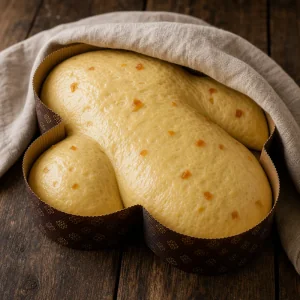
Final proof: cover and let the shaped loaf rise until it reaches about 1 inch below the mold rim (2–4 hours depending on temperature). It should be puffy and jiggly but not overproofed.
-
7
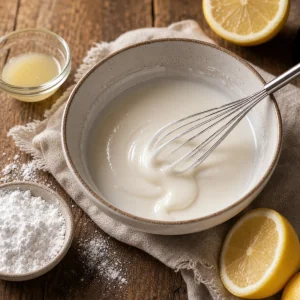
Preheat oven to 350°F (175°C). Prepare the glaze: whisk egg white with powdered sugar and almond extract to a thick, spreadable paste.
-
8
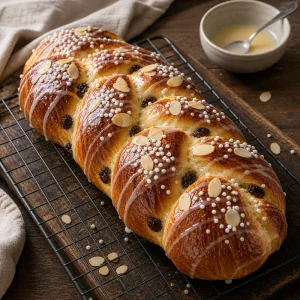
Glaze and top: brush the risen loaf with the glaze, press whole almonds into the top and sprinkle with pearl sugar.
-
9
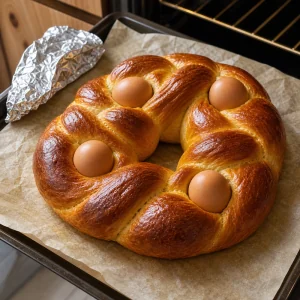
Bake: place the Colomba on the middle rack and bake 40–45 minutes. If the top browns too quickly, tent with foil after 20 minutes. The loaf is done when a skewer into the center comes out clean and internal temperature reaches about 190°F (88°C).
-
10
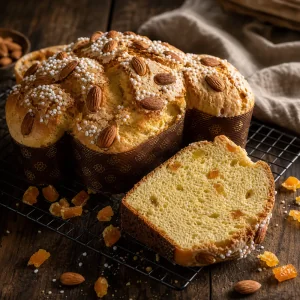
Cool: remove from oven and let cool completely in the mold on a wire rack before unmolding and slicing. Resting allows the crumb to set and keeps the texture tender.
Ingredients
- Bread flour:4 1/2 cups
- Granulated sugar:3/4 cup
- Instant yeast:2 1/4 tsp
- Warm whole milk:1/2 cup
- Large eggs:3 pieces
- Egg yolk (for glaze brush):1 piece
- Unsalted butter, softened:8 tbsp
- Salt:1 1/2 tsp
- Vanilla extract:1 tsp
- Orange zest:2 tbsp
- Candied orange peel, chopped:1/2 cup
- Dark rum or Marsala (optional):2 tbsp
- Powdered sugar (for glaze):1 cup
- Egg white (for glaze):1 piece
- Almond extract (optional):1/4 tsp
- Whole almonds (blanched):1/3 cup
- Pearl sugar:2 tbsp
- Softened butter (to grease mold):2 tbsp
Tips & Notes
- Use a stand mixer to knead — enriched doughs benefit from a long, gentle mix to develop structure.
- If you don’t have a Colomba mold, form the dove on parchment and bake in a standard loaf pan; the flavor is the same.
- Chill the dough overnight for an easier final proof and more complex flavor if you have time.
- Watch proofing carefully: underproofed dough is tight, overproofed will collapse. The dough should be airy and slightly jiggly before baking.