Authentic Pressure Cooker Beef Pho (Phở Bò)
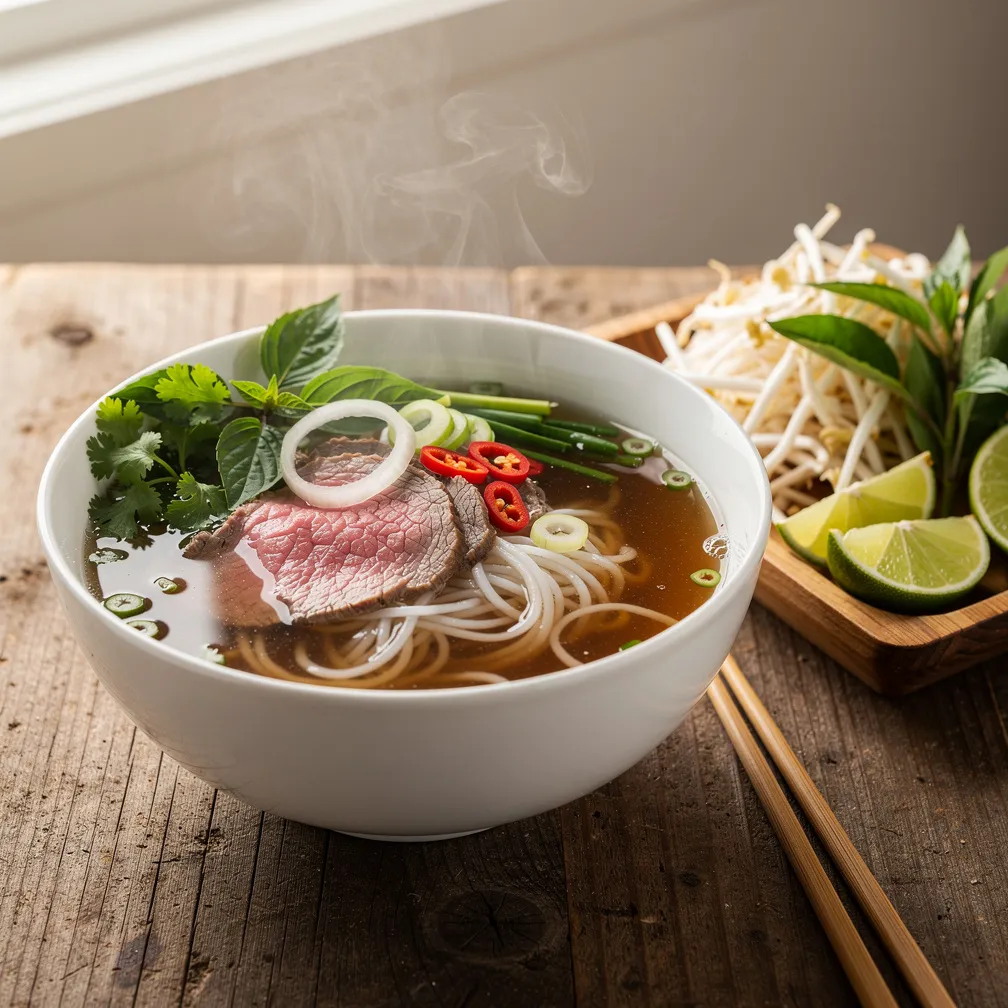

Beef Pho
A deeply savory, aromatic Vietnamese noodle soup made in a fraction of the time using a pressure cooker.
There is nothing quite like a steaming bowl of beef pho to warm the soul, but traditional broths can take up to twelve hours to develop that signature depth. By using a pressure cooker, we can extract all that marrow richness and aromatic spice in a fraction of the time. This recipe delivers a crystal-clear, fragrant broth that tastes like it has been bubbling on a street corner in Hanoi all day.
The secret lies in charring your aromatics and toasting your spices before they ever hit the water. This adds a smoky, charred dimension that is essential for a truly authentic flavor profile. Whether you're fighting off a cold or just craving a bowl of pure comfort, this shortcut pho is about to become your new favorite weeknight ritual.
Nutrition (per serving)
Directions
-
1
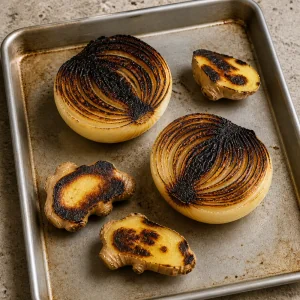
Place the halved onion and ginger cut-side up on a baking sheet and broil for 5-8 minutes until deeply charred, or char them carefully over a gas flame.
-
2
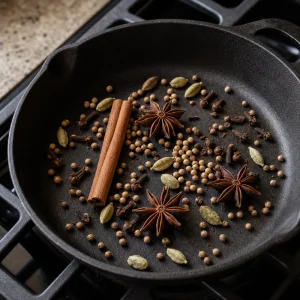
In a small skillet over medium heat, toast the star anise, cinnamon, cloves, coriander seeds, and cardamom for 2-3 minutes until they become highly fragrant.
-
3
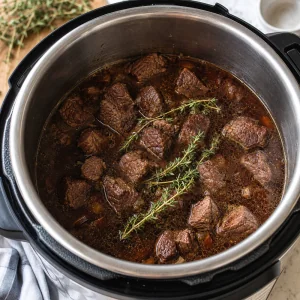
Place the beef bones and brisket into the pressure cooker. Add the charred onion, ginger, toasted spices, fish sauce, rock sugar, and 8 cups of water.
-
4
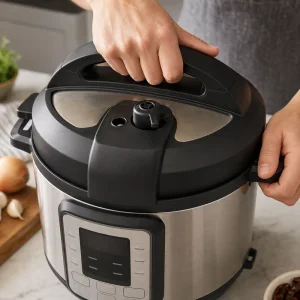
Seal the pressure cooker and set to high pressure for 45 minutes. When the timer finishes, allow for a natural pressure release for at least 20 minutes.
-
5
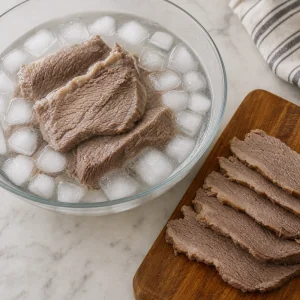
Carefully remove the brisket and submerge it in an ice water bath for 5 minutes to prevent the meat from darkening; slice it thinly and set aside.
-
6
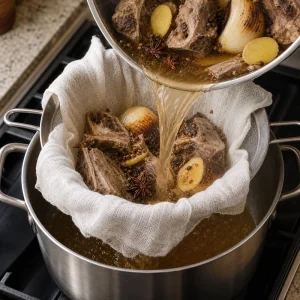
Strain the broth through a fine-mesh sieve lined with cheesecloth into a clean pot. Discard the bones and aromatics. Skim any excess fat from the surface.
-
7
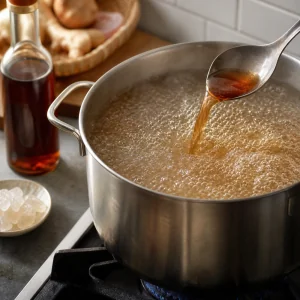
Bring the strained broth to a rolling boil on the stovetop. Taste and adjust with more fish sauce or sugar if needed.
-
8
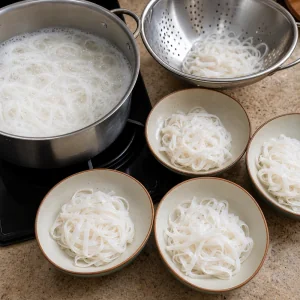
Cook the rice noodles in a separate pot of boiling water according to the package directions, then drain and divide among four large bowls.
-
9
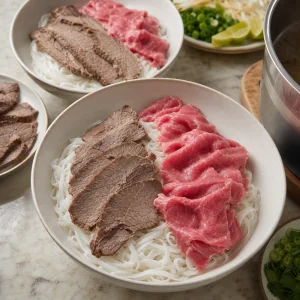
Top the noodles with the sliced cooked brisket and the raw thin slices of eye round.
-
10
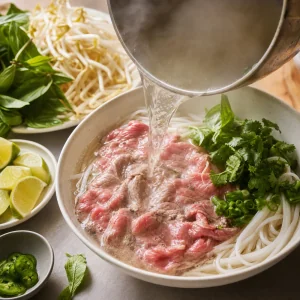
Ladle the boiling broth over the beef—the heat from the broth will cook the raw beef instantly. Serve immediately with fresh herbs, bean sprouts, and lime.
Ingredients
- Beef marrow or knuckle bones:2 lb
- Beef brisket:1 lb
- Yellow onion, halved:1 piece
- Fresh ginger, halved lengthwise:3 inch
- Star anise:5 whole
- Cinnamon stick:1 piece
- Whole cloves:4 pieces
- Coriander seeds:1 tsp
- Black cardamom pod:1 piece
- Fish sauce:¼ cup
- Rock sugar (or brown sugar):1 tbsp
- Dried rice stick noodles:12 oz
- Beef eye round, very thinly sliced:8 oz
Tips & Notes
- For the clearest broth, parboil the bones for 10 minutes in a separate pot, rinse them under cold water, and scrub off any gray impurities before starting the pressure cooker process.
- To get paper-thin slices of raw beef, place the steak in the freezer for 20-30 minutes before slicing.
- Always cook your noodles in a separate pot of water rather than in the broth to keep the soup clear and prevent it from becoming too starchy.