Chilean Pan de Pascua Fruitcake

Pan de Pascua
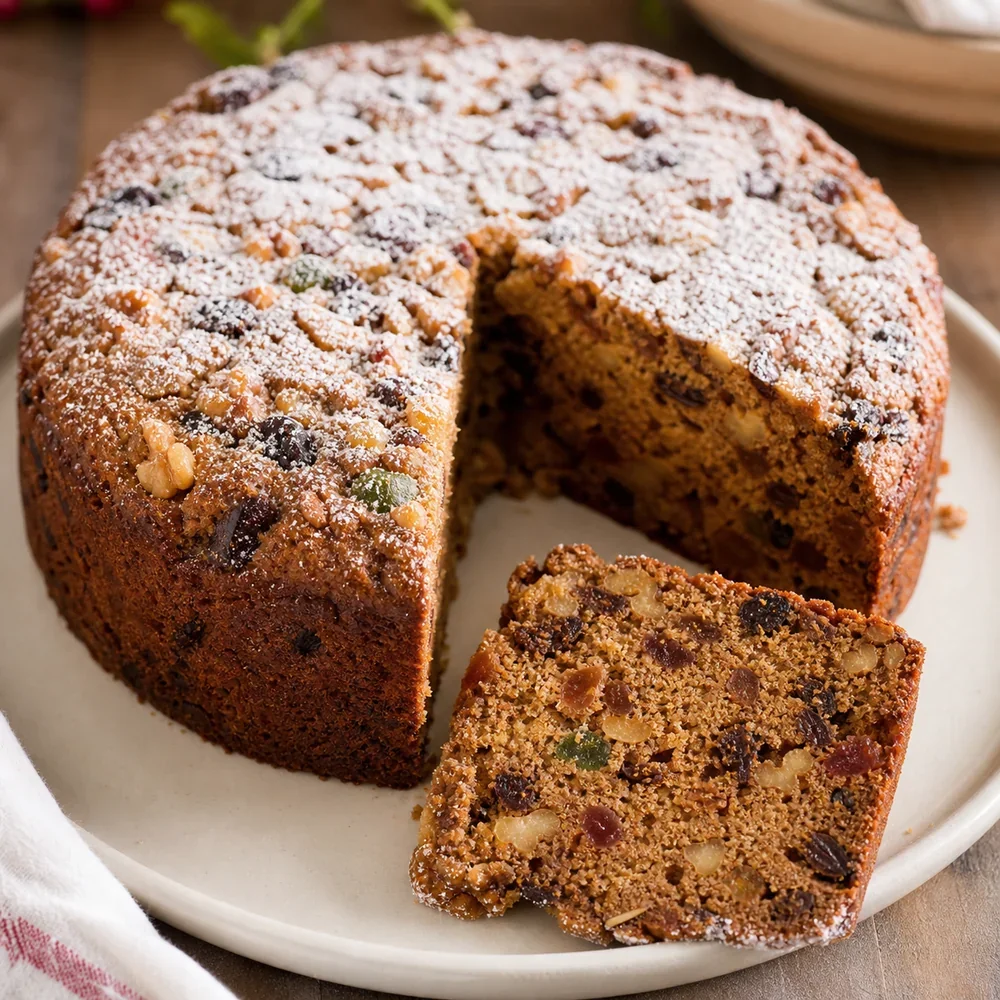
A Chilean holiday fruitcake scented with cinnamon, cloves, nutmeg, orange zest, dried fruit, walnuts, and a splash of rum.
Prep Time:25 minCook Time:60 minTotal Time:85 minServings:12Difficulty:Medium
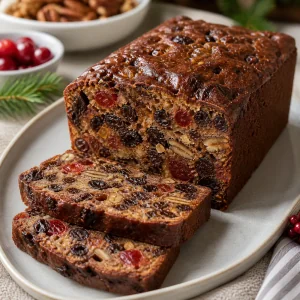
Pan de Pascua is the Chilean cake that appears on Christmas tables alongside cola de mono, coffee, or tea. Despite the name, it is closer to a fragrant fruitcake than a bread, with a tender crumb, toasted nuts, dried fruit, and the warm spice mixture that gives the holiday kitchen its smell.
This version keeps the batter sturdy enough to hold raisins, candied fruit, and walnuts without turning dry. Strong coffee deepens the color, orange zest brightens the spice, and a modest amount of rum gives the cake a traditional aroma without making it harsh.
The key is to cream the butter and sugar well, fold the fruit in gently, and bake until the center is set but still moist. Letting the cake cool completely before slicing gives clean pieces and a better texture, so it is an excellent dessert to bake a day ahead.
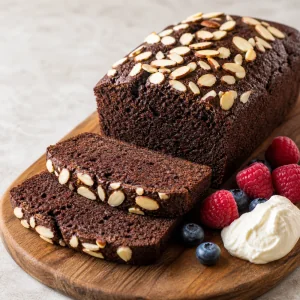
Serve thin wedges on their own, with powdered sugar, or with a small glass of coffee liqueur or spiced milk. Wrapped tightly, the cake keeps well for several days and the flavor becomes rounder after the first night.
Nutrition (per serving)
Calories:360 kcal
Protein:6 g
Carbs:55 g
Fat:14 g
Directions
-
1
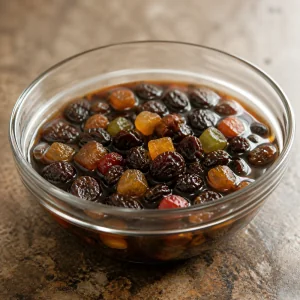
Combine the raisins, candied fruit, and rum in a small bowl. Let them soak for 20 minutes while you prepare the pan and batter.
-
2

Heat the oven to 350°F. Grease a 9-inch round cake pan, line the bottom with parchment, and lightly flour the sides.
-
3
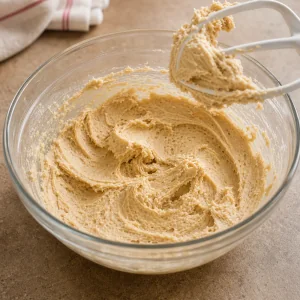
Beat the softened butter and brown sugar in a large bowl for 3 to 4 minutes, until the mixture looks lighter and creamy.
-
4
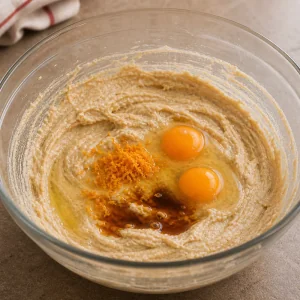
Beat in the eggs one at a time, mixing well after each addition, then mix in the orange zest and vanilla.
-
5
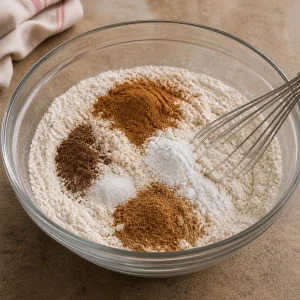
Whisk the flour, baking powder, cinnamon, cloves, nutmeg, and salt in a separate bowl.
-
6
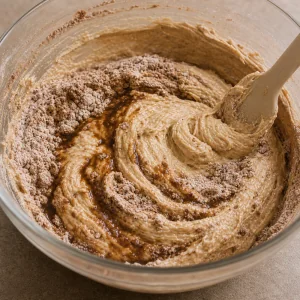
Add the dry ingredients to the butter mixture in two additions, alternating with the cooled coffee. Mix just until no dry streaks remain.
-
7
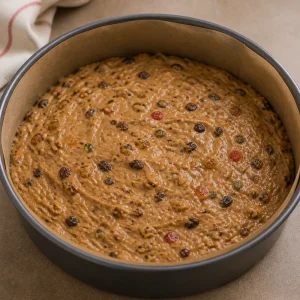
Fold in the soaked fruit with any remaining rum, then fold in the toasted walnuts. Scrape the thick batter into the prepared pan and smooth the top.
-
8
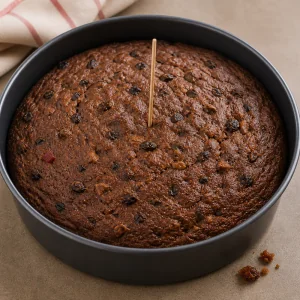
Bake for 55 to 60 minutes, until the top is deep brown and a skewer inserted into the center comes out with a few moist crumbs.
-
9
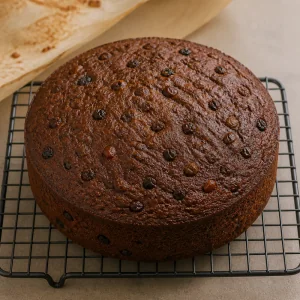
Cool the cake in the pan for 15 minutes, then turn it out onto a rack and remove the parchment. Let it cool completely before slicing.
-
10
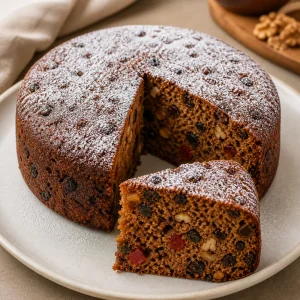
Dust with powdered sugar just before serving, if desired.
Ingredients
- Dark Raisins:1 cup
- Candied Fruit:3/4 cup
- Dark Rum:1/4 cup
- Unsalted Butter, softened:1/2 cup
- Light Brown Sugar:3/4 cup
- Large Eggs:3
- Orange Zest:1 tablespoon
- Vanilla Extract:1 teaspoon
- All-Purpose Flour:2 cups
- Baking Powder:2 teaspoons
- Ground Cinnamon:1 1/2 teaspoons
- Ground Cloves:1/4 teaspoon
- Ground Nutmeg:1/4 teaspoon
- Fine Salt:1/2 teaspoon
- Strong Brewed Coffee, cooled:1/2 cup
- Walnuts, toasted and chopped:3/4 cup
- Powdered Sugar for serving:as needed
Tips & Notes
- For the cleanest slices, wrap the cooled cake and rest it overnight before cutting.
- If you prefer a softer rum flavor, soak the fruit in half rum and half orange juice.
- Do not overmix after adding the flour; a gentle fold keeps the crumb tender.