Serbian Easter Pogača: Rustic Braided Celebration Bread
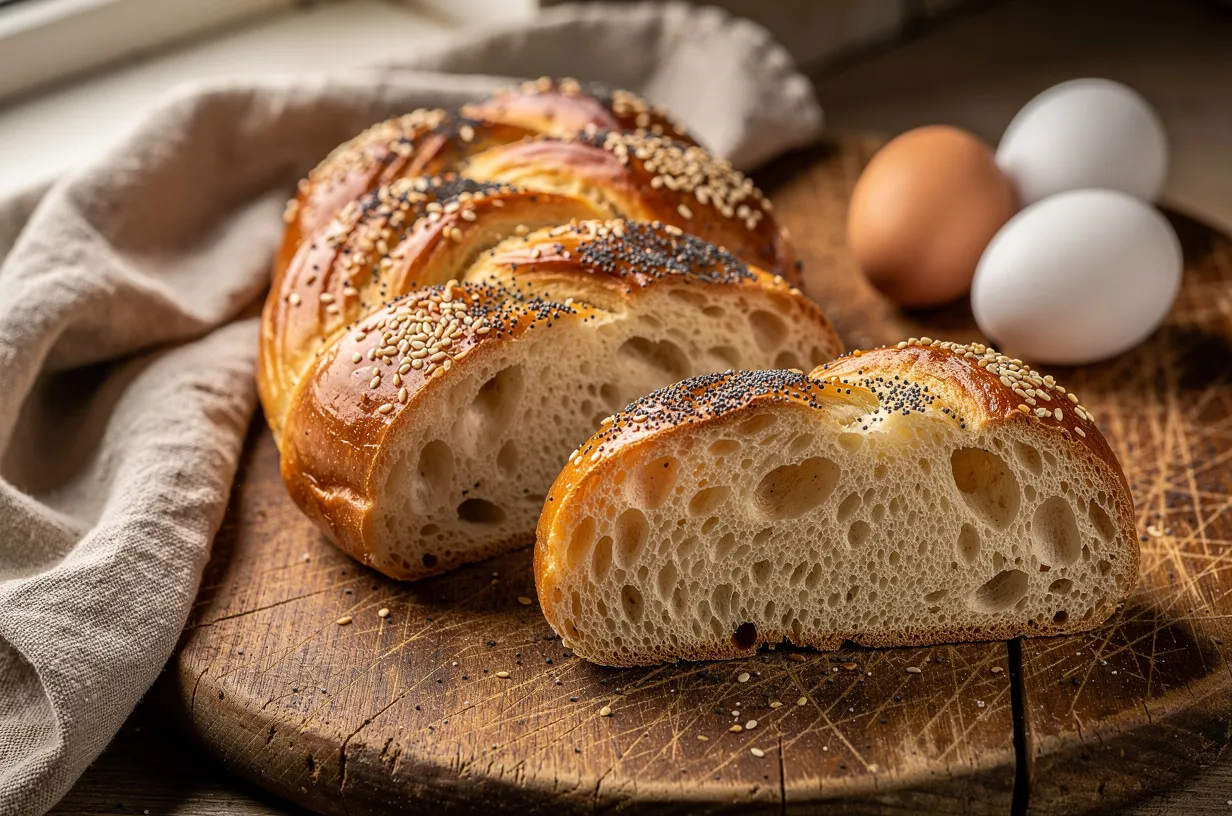

Easter Pogača
Tender, slightly sweet braided Serbian Easter bread flavored with yogurt and butter.
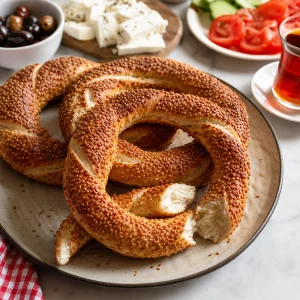
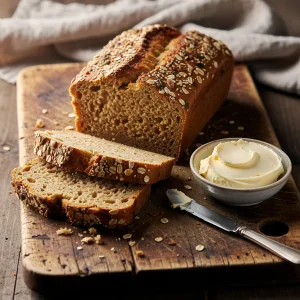
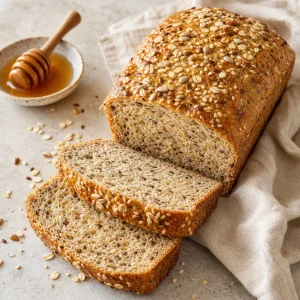
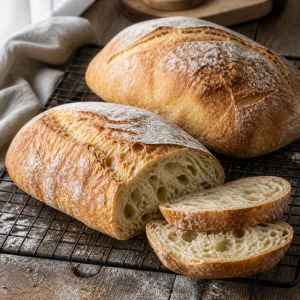
Pogača is the kind of bread that makes a home feel like a celebration. This Serbian Easter pogača is softly enriched with yogurt, butter, and eggs for a tender crumb and just a touch of sweetness, then braided or shaped into a round to honor the holiday. I love how the glossy egg wash and sesame or poppy seeds give it a simple, beautiful finish.
This recipe walks you through a gentle knead and two short rises so even confident beginners can enjoy it. Make it for Easter morning, a holiday table, or any time you want a special loaf to share — it pairs beautifully with cheese, jam, or simply butter.
Nutrition (per serving)
Directions
-
1

Whisk warm milk, 1 egg, yogurt, melted butter, sugar, and yeast in a large bowl; let sit 5–10 minutes until foamy.
-
2

Stir in lemon zest and salt, then add 3 1/2 cups of flour and mix until a shaggy dough forms; add more flour a little at a time until dough cleans the bowl.
-
3
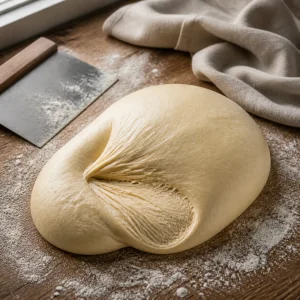
Turn dough onto a lightly floured surface and knead 6–8 minutes until smooth and elastic (or knead 4–5 minutes in a stand mixer with a dough hook).
-
4
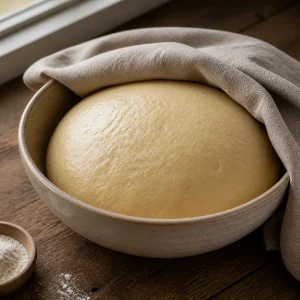
Lightly oil a bowl, place the dough inside, cover with a clean towel or plastic wrap, and let rise in a warm spot until doubled, about 60–90 minutes.
-
5
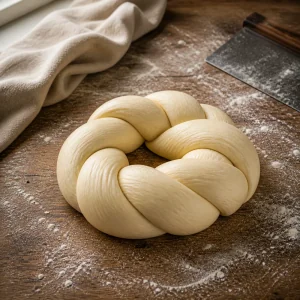
Punch down the dough and divide into three equal pieces. Roll each into a long rope and braid, or shape into a round pogača by pinching ropes into a circle and tucking ends under.
-
6
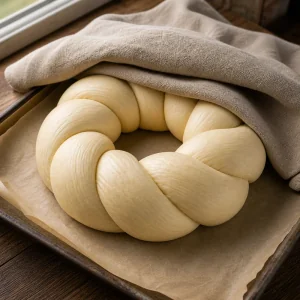
Place the shaped loaf on a parchment-lined baking sheet, cover, and let rise again until puffy, about 30–45 minutes.
-
7
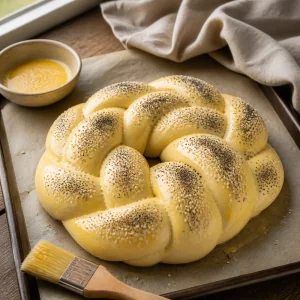
Preheat oven to 350°F. Beat the remaining egg and brush it generously over the loaf. Sprinkle with sesame or poppy seeds.
-
8
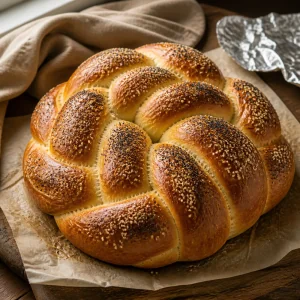
Bake for 30–35 minutes until golden and the loaf sounds hollow when tapped; if the top browns too quickly, tent loosely with foil.
-
9
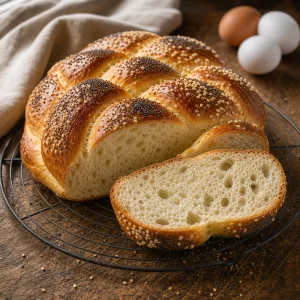
Cool on a wire rack for at least 20 minutes before slicing so the crumb sets; serve warm or at room temperature.
Ingredients
- All-purpose flour:4 1/2 cups
- Warm milk (about 100–110°F):1/2 cup
- Plain yogurt (full-fat preferred):1 cup
- Active dry yeast:2 1/4 tsp
- Granulated sugar:1/4 cup
- Salt:2 tsp
- Unsalted butter, melted:4 tbsp
- Vegetable oil (for bowl):2 tbsp
- Eggs:2 pieces
- Sesame or poppy seeds:1 tbsp
- Lemon zest (optional, for aroma):1 tsp
- Warm water (if needed to adjust dough):1-2 tbsp
Tips & Notes
- Use full-fat yogurt for the best tender crumb and flavor; Greek yogurt works if you thin it slightly with a tablespoon of milk.
- If dough feels sticky, add flour tablespoon by tablespoon — better to err on slightly sticky than dry, which makes a dense loaf.
- For a traditional look, tuck a few hard-boiled, dyed eggs into the center of the braid before the final rise (place them on top and press gently).
- Make ahead: shape the loaf, refrigerate overnight covered, then bring to room temperature for 1 hour and bake as directed.