Traditional Bosnian Lepinja (Soft & Airy Flatbread)
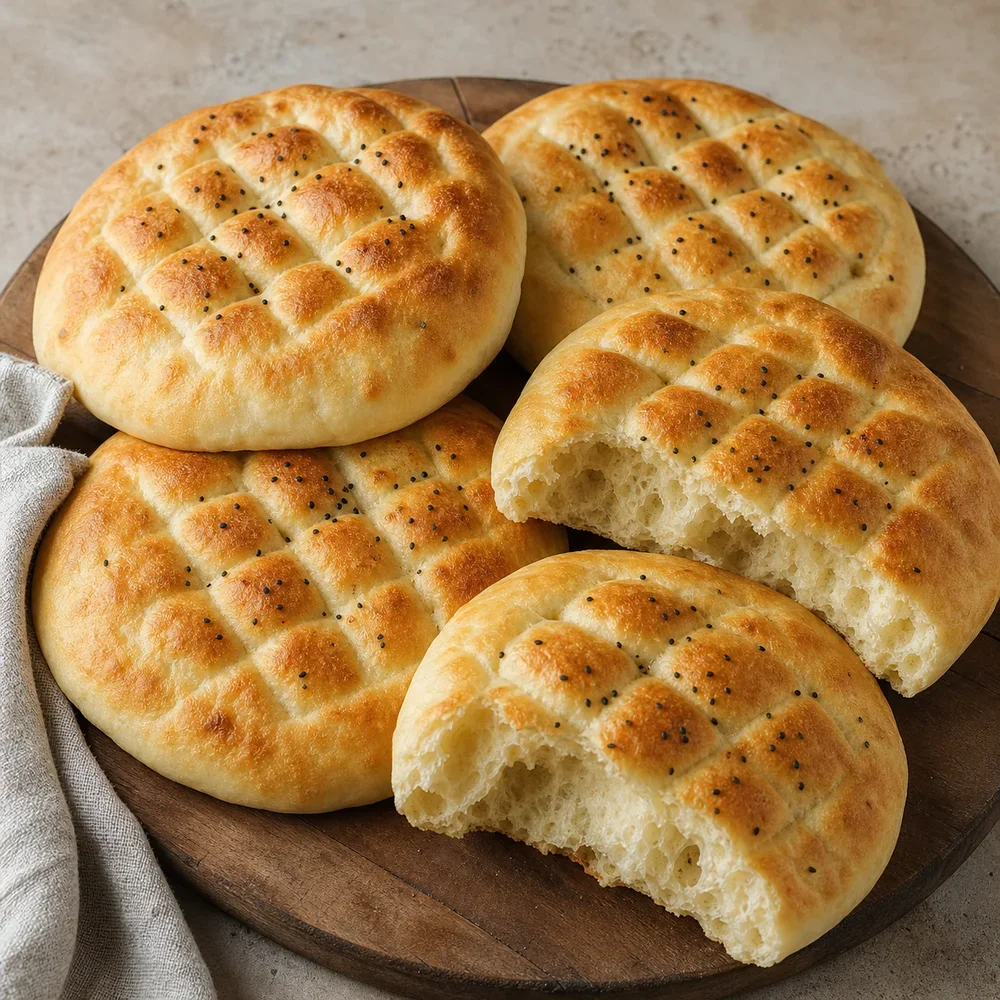

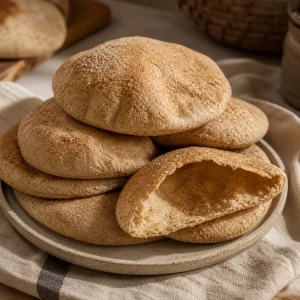
If you've ever walked through the historic streets of Sarajevo, the intoxicating aroma of freshly baked Lepinja is something you never forget. This iconic Bosnian flatbread is more than just a side dish; it is the fluffy, chewy vessel for the country's most beloved grilled meats. Its signature look—marked by a beautiful diamond cross-hatch pattern and a hollow, steam-puffed center—makes it the ultimate comfort food for any gathering.
The secret to a truly authentic Lepinja lies in the high-hydration dough and a very hot oven. Unlike a dense loaf of sandwich bread, this dough is quite sticky and soft, which is exactly what creates those magnificent air pockets during the baking process. When you pull these out of the oven, they should be soft enough to fold but sturdy enough to soak up the savory juices of your favorite fillings.
Nutrition (per serving)
Directions
-
1
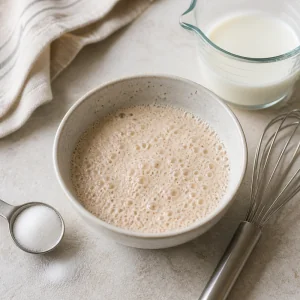
In a small bowl, whisk together the warm water, warm milk, sugar, and yeast. Let the mixture sit for about 10 minutes until it becomes frothy and activated.
-
2
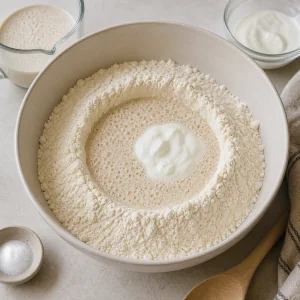
In a large mixing bowl, combine the flour and salt. Create a well in the center and pour in the yeast mixture along with the yogurt.
-
3
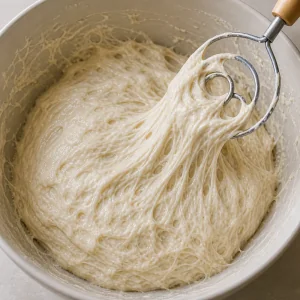
Mix the ingredients until a very soft, sticky dough forms. Avoid adding too much extra flour; the stickiness is essential for the airy texture.
-
4
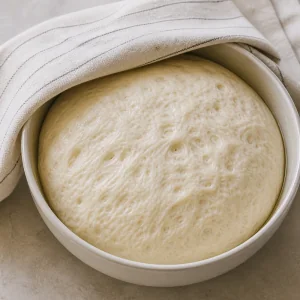
Transfer the dough to a lightly oiled bowl, cover with a clean towel, and let it rise in a warm, draft-free spot for about 60 to 90 minutes, or until doubled in size.
-
5
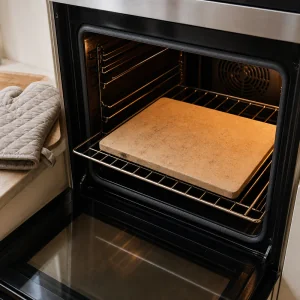
Place a baking stone or an inverted baking sheet in the oven and preheat to 475°F (245°C). The oven must be very hot before baking.
-
6
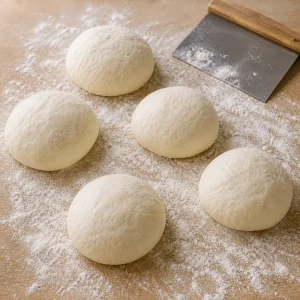
Gently turn the risen dough onto a well-floured surface. Divide it into 5 equal pieces. Lightly shape each piece into a ball without kneading it too much.
-
7
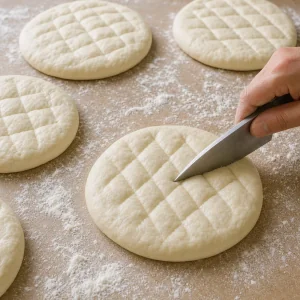
Flatten each ball into a disk about 6 inches wide. Using the back of a knife or a bench scraper, press a diamond pattern into the top of each disk, being careful not to cut all the way through.
-
8
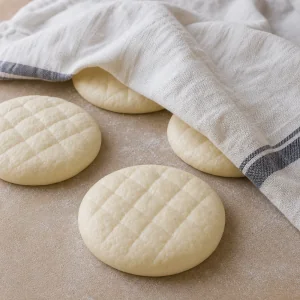
Cover the disks and let them rest for another 15 minutes while the oven finishes heating.
-
9
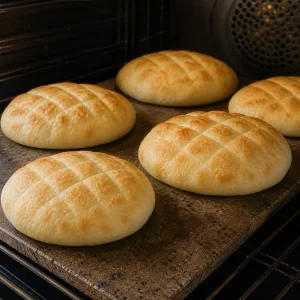
Carefully place the dough disks onto the hot baking stone. Bake for 8-10 minutes. They should puff up significantly and turn a light golden brown.
-
10
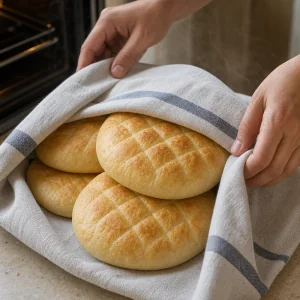
Remove the breads from the oven and immediately wrap them in a clean kitchen towel for 10 minutes. This traps the steam and ensures the crust stays perfectly soft.
Ingredients
- All-purpose flour:4 cups
- Active dry yeast:1 tbsp
- Warm water (approx 105°F):1 cup
- Warm milk:1/2 cup
- Plain yogurt:2 tbsp
- Salt:1.5 tsp
- Sugar:1 tsp
- Nigella seeds (optional topping):1 tsp
Tips & Notes
- Handle the dough as gently as possible when shaping to keep the air bubbles intact.
- Sprinkling a little water into the bottom of the oven can create extra steam, helping the bread puff up even more.
- If you don't have a baking stone, a cast iron skillet flipped upside down works beautifully.